
Zinc, Vitamin C & Elderberry: What Actually Works for Immune Support
Written by Smart Supplements Editorial Team
Key takeaways
- You don't want to "boost" your immune system — you want to support and regulate it; an overactive immune system means autoimmune disease
- Zinc lozenges started within 24 hours of cold onset can reduce cold duration by 33% — more effective than vitamin C
- Vitamin D supplementation reduces respiratory infection risk by 12% overall and 70% in severely deficient individuals
- Mega-dose vitamin C above 500mg provides no additional immune benefit — 200mg daily is sufficient for saturation
- Functional mushrooms (reishi, chaga, turkey tail) provide immune modulation through beta-glucans, not immune "boosting"
Table of contents
- How Your Immune System Actually Works (And Why "Boosting" It Is the Wrong Goal)
- The Evidence Hierarchy: Setting Expectations
- Vitamin C: The Classic (With Caveats)
- Zinc: The Underrated Immune Mineral
- Vitamin D: The Foundation of Immune Resilience
- Elderberry (Sambucus nigra): The European Tradition
- Functional Mushrooms for Immunity
- What Doesn't Work (Despite the Marketing)
- The Winter Immune Protocol: A Practical Daily Stack
- Frequently Asked Questions
- Disclaimer
- Related Articles
How Your Immune System Actually Works (And Why "Boosting" It Is the Wrong Goal)
Every autumn, the supplement industry pivots to immune season. Shop windows fill with products promising to "boost your immune system" and "supercharge your defences." Social media influencers push elaborate immune stacks. And consumers, driven by memories of COVID lockdowns and the annual cold-and-flu cycle, spend billions trying to fortify themselves against seasonal illness.
But here's the thing most immune supplement marketing gets wrong: you don't want to "boost" your immune system. An overactive immune system is not a healthy immune system — it's an autoimmune disease. Lupus, rheumatoid arthritis, multiple sclerosis, type 1 diabetes — these are all conditions where the immune system is, in a sense, "boosted" beyond where it should be.
What you actually want is an immune system that's well-regulated: responsive enough to fight pathogens efficiently, but controlled enough not to overreact. The correct term is immune support or immune modulation, not immune boosting.
With that framework in mind, let's look at what the evidence actually says about supplements for immune function — starting with the ones that work, moving through the maybes, and ending with the ones that don't.
The Evidence Hierarchy: Setting Expectations
Before diving into specific supplements, it helps to understand what "evidence-based" actually means in this context.
| Evidence Tier | What It Means | Immune Supplements in This Tier |
|---|---|---|
| Strong | Multiple large RCTs, meta-analyses, consistent results | Vitamin D (deficiency correction), zinc (lozenges at cold onset) |
| Good | Several RCTs with positive results, some inconsistency | Vitamin C (modest cold duration reduction), elderberry (cold/flu duration) |
| Moderate | Smaller trials, promising but needs more research | Beta-glucans (mushrooms), probiotics (strain-specific) |
| Weak/Preliminary | In vitro studies, animal models, very small human trials | Echinacea (mixed), olive leaf, oregano oil |
| No credible evidence | Marketing claims only | Colloidal silver, mega-dose everything, most "immune boosting" blends |
This hierarchy matters. A supplement with "strong" evidence is worth considering for most people. A supplement with "weak" evidence might be worth trying if you're interested, but shouldn't be your primary strategy. A supplement with "no credible evidence" is wasting your money.
Vitamin C: The Classic (With Caveats)
Vitamin C is probably the first thing people reach for when they feel a cold coming on, thanks to the legacy of Linus Pauling — the Nobel Prize-winning chemist who championed mega-dose vitamin C in the 1970s. But what does the evidence actually say?
What the Research Shows
A landmark 2013 Cochrane review analysed 29 trials involving over 11,000 participants and concluded:
- Prevention: Regular vitamin C supplementation (≥200mg/day) did not reduce the incidence of colds in the general population. You won't get fewer colds.
- Duration: Regular supplementation reduced cold duration by approximately 8% in adults and 14% in children. That's roughly half a day less of symptoms.
- Severity: Modest reduction in severity of cold symptoms.
- Physical stress exception: In people under extreme physical stress (marathon runners, soldiers, skiers), vitamin C supplementation halved the risk of catching a cold. This is the one scenario where prevention evidence is strong.
Optimal Dosing
Here's where Pauling got it wrong. He advocated for 6,000-18,000mg daily. The evidence shows:
| Dose | Benefit | Diminishing Returns? |
|---|---|---|
| 200mg/day | Full saturation of immune cell vitamin C levels | No — this is the baseline |
| 500mg/day | Slightly higher plasma levels | Minimal additional benefit |
| 1000mg/day | Maximum practically useful dose | Yes — most excess excreted |
| 2000mg+ /day | No additional immune benefit demonstrated | Yes — GI side effects increase |
| 5000mg+ /day | No benefit, risk of kidney stones (oxalate) | Strongly diminishing |
The practical takeaway: 200-500mg of vitamin C daily is sufficient for immune purposes. There is no credible evidence that mega-dosing (>1000mg) provides additional immune protection. Your body simply excretes the excess in urine.
Food Sources vs Supplements
Vitamin C from food is perfectly adequate if you eat fruit and vegetables daily:
| Food | Vitamin C per Serving |
|---|---|
| Red bell pepper (1 medium) | 150mg |
| Orange (1 medium) | 70mg |
| Kiwi (1 medium) | 65mg |
| Broccoli, cooked (100g) | 65mg |
| Strawberries (150g) | 90mg |
| Brussels sprouts, cooked (100g) | 60mg |
If you eat 2-3 servings of vitamin C-rich fruits and vegetables daily, supplementation is unnecessary for immune purposes. Supplements make sense for smokers (who deplete vitamin C faster), people with limited fruit/vegetable intake, and during periods of physical stress.
Zinc: The Underrated Immune Mineral
If vitamin C is overhyped for immunity, zinc is arguably underhyped. Zinc is essential for the development and function of virtually every immune cell type — neutrophils, natural killer cells, T cells, and B cells. Zinc deficiency, even marginal, impairs immune response significantly.
The Cold-Shortening Evidence
The evidence for zinc lozenges at the onset of a cold is surprisingly strong:
A 2017 meta-analysis (Hemilä, 2017) found that zinc lozenges containing 75mg+ of elemental zinc, started within 24 hours of cold onset, reduced cold duration by approximately 33%. That's cutting a 7-day cold down to roughly 5 days — more impactful than vitamin C.
Critical details that determine whether zinc works:
| Factor | What Matters | Why |
|---|---|---|
| Form | Zinc acetate or zinc gluconate | Other forms (citrate, tartrate) may chelate zinc ions, reducing local effect |
| Dose | 75mg+/day elemental zinc (divided into lozenges every 2-3 hours) | Below 75mg, benefits disappear |
| Timing | Within 24 hours of first symptoms | After 24 hours, effectiveness drops substantially |
| Delivery | Lozenges, not capsules | The zinc must dissolve in the throat for local antiviral effect |
| Duration | Continue until symptoms resolve | Typically 5-7 days |
Daily Zinc for Prevention
For ongoing immune support (not acute cold treatment), lower doses of daily zinc are appropriate:
| Scenario | Daily Dose | Form |
|---|---|---|
| General immune support | 15-25mg elemental zinc | Zinc picolinate, bisglycinate, or citrate |
| Vegetarians/vegans | 20-30mg | Zinc picolinate (phytates in plant foods inhibit zinc) |
| Elderly (65+) | 15-25mg | Any well-absorbed form |
| Athletes | 20-30mg | Post-exercise immune support |
Important: Don't exceed 40mg/day long-term without medical supervision. Chronic high-dose zinc depletes copper stores, leading to copper deficiency — which paradoxically impairs immunity. If taking >25mg zinc daily, consider a small copper supplement (1-2mg) to maintain the zinc:copper ratio.
Zinc-Rich Foods
| Food | Zinc per Serving | % of 10mg RDA |
|---|---|---|
| Oysters (6 medium) | 32mg | 320% |
| Beef steak (100g) | 5mg | 50% |
| Pumpkin seeds (30g) | 2.5mg | 25% |
| Chickpeas, cooked (200g) | 2.5mg | 25% |
| Cashews (30g) | 1.6mg | 16% |
| Cheddar cheese (30g) | 1.2mg | 12% |
| Lentils, cooked (200g) | 2.5mg | 25% |
MADMONQ CHAMPION
Chewable multivitamin 2.0 with 24+ nutrients covering immunity, bone health, eye health, detox, and hormonal balance. Includes Vitamins A, C, D3, E, K2, full B-complex, plus Lutein, Zeaxanthin, Milk Thistle, Maqui Berry, L-Glutathione, and Pine Bark extract. Designed for desk workers and gamers who need comprehensive daily nutrition in one chewable tablet.
- • 24+ vitamins, minerals, and plant extracts in one tablet
- • Chewable format — also available as effervescent
- • Lutein + Zeaxanthin for screen-strained eyes
Disclosure: We may earn a commission if you purchase via these links.
Vitamin D: The Foundation of Immune Resilience
We've covered vitamin D in depth in our dedicated article, but its role in immunity deserves emphasis here because it may be the single most impactful immune supplement for Northern Europeans.
The Immune Connection
Vitamin D receptors are present on virtually all immune cells. Adequate vitamin D status:
- Activates T cells (your adaptive immune "soldiers")
- Stimulates production of antimicrobial peptides (cathelicidins, defensins)
- Modulates inflammatory response (preventing immune overreaction)
- Supports mucosal barrier integrity (first-line defence in airways and gut)
The Key Evidence
The 2017 BMJ meta-analysis (Martineau et al.) — the most rigorous to date — found:
- Overall: Vitamin D supplementation reduced the risk of acute respiratory tract infections by 12%
- In deficient individuals (<25 nmol/L): Risk reduction jumped to 70%
- Daily dosing was superior to bolus (large single-dose) supplementation — suggesting steady-state levels matter more than occasional peaks
This makes vitamin D supplementation arguably the most evidence-based immune strategy available — with the caveat that the largest benefits accrue to those who are actually deficient. And in Northern Europe during winter, that's a very large proportion of the population.
Practical Recommendation
For immune support: 1000-2000 IU vitamin D3 daily throughout winter (October-March) at minimum. Test your levels for personalised dosing. Pair with vitamin K2 (100-200µg MK-7). Take with a fat-containing meal.
Elderberry (Sambucus nigra): The European Tradition
Elderberry has been used in European folk medicine for centuries — and unlike many traditional remedies, it has reasonable clinical evidence behind it.
How It Works
Elderberry contains anthocyanins (particularly cyanidin-3-glucoside) that appear to:
- Inhibit viral entry and replication in vitro (particularly influenza viruses)
- Modulate cytokine production (supporting immune signalling)
- Provide antioxidant protection to immune cells
The Clinical Evidence
Several small but well-conducted trials support elderberry for cold and flu:
| Study | Findings |
|---|---|
| Tiralongo et al. (2016) | Air travellers taking elderberry had significantly shorter cold duration and less severe symptoms |
| Hawkins et al. (2019) | Elderberry supplementation reduced cold duration and severity — meta-analysis of 4 RCTs found significant effect |
| Zakay-Rones et al. (2004) | Elderberry extract (Sambucol) reduced influenza symptoms by an average of 4 days |
Important Caveats
- Evidence quality is moderate — trials are small (typically 60-300 participants)
- Standardisation varies — not all elderberry products are equal; look for standardised anthocyanin content
- Cytokine storm concern: A theoretical concern exists that elderberry's immune-stimulating properties could worsen cytokine storms in severe infections. This concern emerged during COVID-19 but is based on in vitro data and has not been observed clinically at normal supplemental doses. Standard elderberry supplementation during common colds appears safe.
- Raw elderberries are toxic — only use commercially prepared, heat-treated elderberry products
Recommended Use
Elderberry appears most useful as an acute intervention — started at the first sign of cold or flu symptoms and continued for 3-5 days. The evidence for daily preventive use is weaker.
Dosing: Look for standardised elderberry extract providing 500-1000mg daily (or as directed on specific products). Syrup, capsule, and lozenge forms are all acceptable.
Functional Mushrooms for Immunity
Medicinal mushrooms have been used in Traditional Chinese Medicine and Japanese medicine for thousands of years. Modern research is now identifying the mechanisms — and the evidence for immune modulation is compelling, though not yet at the level of vitamin D or zinc.
Beta-Glucans: The Active Mechanism
The primary immune-active compounds in medicinal mushrooms are beta-glucans — complex polysaccharides that activate immune cells through pattern recognition receptors (particularly Dectin-1 on macrophages and dendritic cells). Your immune system has evolved to recognise fungal cell wall components, and beta-glucans trigger a controlled immune alert.
Key Immune Mushrooms
Reishi (Ganoderma lucidum)
- Historically called the "mushroom of immortality"
- Modulates (not just stimulates) immune function — can upregulate suppressed immunity and calm overactive immunity
- Triterpenes provide anti-inflammatory and anti-histamine effects
- Evidence for improved NK cell activity in cancer patients (Gao et al., 2003)
- Best as an evening supplement (calming effects)
Chaga (Inonotus obliquus)
- Exceptionally high antioxidant content (ORAC score among highest of any food)
- Beta-glucan content supports immune cell activation
- SOD (superoxide dismutase) content provides cellular protection
- Traditional Northern European remedy (Scandinavian, Russian, Finnish)
- European-specific appeal — chaga grows on birch trees in Northern climates
Turkey Tail (Trametes versicolor)
- The most clinically studied mushroom for immunity
- PSK (polysaccharide-K) is an approved adjunct cancer therapy in Japan
- Human trials show improved immune markers in breast cancer patients (Torkelson et al., 2012)
- Particularly well-studied for post-chemotherapy immune recovery
Cordyceps (Cordyceps militaris)
- Primarily known for energy and athletic performance
- Also modulates immune function — increases NK cell activity
- May improve respiratory function (relevant during cold season)
- Cross-cluster interest with nootropics and energy

Chaga Mushroom
Wild-harvested Chaga mushroom extract — powerful antioxidant and immune system support.
- • Wild-harvested birch Chaga
- • Exceptionally high ORAC antioxidant value
- • Immune and gut health
Disclosure: We may earn a commission if you purchase via these links.
Reishi Mushroom
Reishi (Ganoderma lucidum) extract for immune support, stress reduction, and sleep quality.
- • Adaptogenic mushroom
- • Immune and stress support
- • Traditional use thousands of years
Disclosure: We may earn a commission if you purchase via these links.
Choosing Quality Mushroom Supplements
Not all mushroom supplements are equal. Key quality factors:
| Factor | Good Sign | Red Flag |
|---|---|---|
| Extract type | Hot water extract, dual extract (water + alcohol) | Raw mushroom powder (beta-glucans locked in chitin) |
| Beta-glucan content | Specified on label (>20% for most species) | Not listed |
| Fruiting body vs mycelium | Fruiting body (higher beta-glucan) | "Mycelium on grain" (diluted with grain starch) |
| Testing | Third-party tested for heavy metals | No testing disclosure |
| Origin | Wild-harvested (chaga) or certified organic cultivation | Unknown origin, no certification |
Functional Mushrooms
Full range of adaptogenic and medicinal mushroom supplements: Lion's Mane, Reishi, Chaga, and more.
Disclosure: We may earn a commission if you purchase via these links.
What Doesn't Work (Despite the Marketing)
Mega-Dose Vitamin C (>1000mg/day)
As discussed above, evidence shows no additional immune benefit above 200-500mg daily. The excess is simply excreted. The Cochrane review is clear: there is no dose-response above saturation levels.
Echinacea
Echinacea is one of the most popular immune supplements, but the evidence is disappointingly mixed:
- Some trials show modest cold duration reduction; others show no effect
- A large 2010 RCT (Barrett et al.) found no statistically significant benefit over placebo
- Species variation (E. purpurea vs E. angustifolia), part used (root vs aerial), and preparation method all differ between studies, making comparison difficult
- If it works at all, the effect is likely small
Verdict: Not harmful, but not reliably effective. Your money is better spent on zinc, vitamin D, and elderberry.
Colloidal Silver
Colloidal silver has no credible evidence for immune support and carries real risks. Prolonged use can cause argyria (permanent blue-grey skin discolouration). It can also interfere with antibiotic absorption and thyroid medication. The FDA has stated that no colloidal silver products are "generally recognised as safe and effective." Avoid entirely.
"Immune Boosting" Proprietary Blends
Many products combine 15-20 ingredients in a proprietary blend, hiding individual doses. These typically provide subtherapeutic amounts of everything — 10mg of zinc when you need 75mg, 50mg of vitamin C when 200mg is the threshold, trace amounts of elderberry. They sell the ingredient list, not the dose. Check our supplement label reading guide to spot these.
Oregano Oil (for Prevention)
Oregano oil (specifically carvacrol) shows antimicrobial activity in vitro — in a petri dish. But in vitro activity does not equal in vivo efficacy. No well-designed human trial has demonstrated that oral oregano oil prevents or treats respiratory infections. It's also harsh on the GI tract at the doses that would be needed for any antimicrobial effect.
The Winter Immune Protocol: A Practical Daily Stack
For Northern Europeans heading into the October-March immune season, here's an evidence-based daily protocol:
Foundation (Everyone)
| Supplement | Dose | Timing | Evidence Level |
|---|---|---|---|
| Vitamin D3 | 1000-2000 IU (25-50µg) | Morning, with breakfast (fat) | Strong |
| Zinc | 15-25mg elemental | Evening, with dinner | Strong |
| Vitamin C | 200-500mg | Any time (or from food) | Good (modest) |
Enhanced (Proactive Prevention)
Add to foundation:
| Supplement | Dose | Timing | Evidence Level |
|---|---|---|---|
| Elderberry extract | 500-1000mg standardised | Morning | Good |
| Reishi or Chaga mushroom | Per product label (standardised extract) | Evening (reishi) or morning (chaga) | Moderate |
| Vitamin K2 (MK-7) | 100-200µg | Morning, with D3 | Strong (for D3 synergy) |
Acute Protocol (At First Sign of Illness)
Switch to this for 5-7 days at first symptoms:
| Supplement | Dose | Timing | Evidence Level |
|---|---|---|---|
| Zinc lozenges | 75mg+/day (one lozenge every 2-3 hours while awake) | Throughout the day | Strong |
| Elderberry | 1000mg standardised extract, 3-4x daily | Every 4-6 hours | Good |
| Vitamin C | 500-1000mg | 2-3x daily | Good (modest) |
| Vitamin D3 | Maintain normal dose | Morning | Strong |
| Rest and hydration | Non-negotiable | All day | Common sense |
What This Protocol Does NOT Replace
- Hand washing — still the single most effective infection prevention strategy
- Sleep — 7-9 hours nightly; sleep deprivation profoundly impairs immune function
- Exercise — moderate exercise enhances immunity; excessive exercise suppresses it
- Stress management — chronic stress elevates cortisol, which suppresses immune function
- Balanced diet — supplements supplement, they don't substitute
- Vaccination — for serious infections (flu, COVID, etc.), vaccines remain the most effective defence
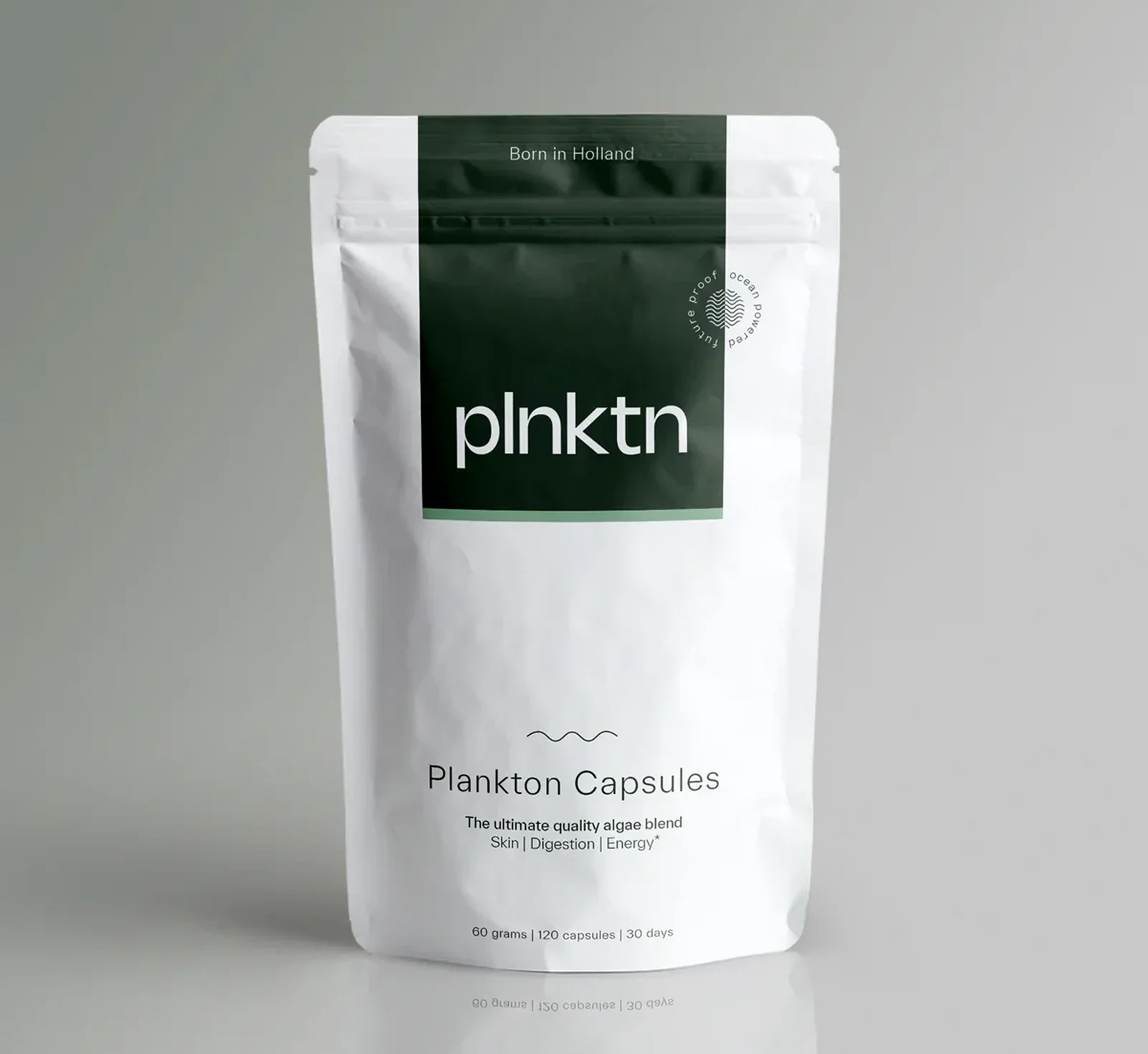

Plankton Capsules
Blend of 4 nutrient-dense micro- and macroalgae from European cultivation. Daily support for gut, skin and energy.
- • 75+ nutrients: minerals, vitamins, pigments, antioxidants and complete proteins
- • 100% natural, plant-based and responsibly grown
- • Supports digestion, energy metabolism and skin health
Disclosure: We may earn a commission if you purchase via these links.
Frequently Asked Questions
Can supplements prevent COVID-19?
No supplement has been proven to prevent SARS-CoV-2 infection. However, vitamin D deficiency was consistently associated with worse COVID-19 outcomes in observational studies, and supplementation is generally recommended to maintain adequate levels. Zinc and vitamin C showed modest benefits in some early trials but are not substitutes for vaccination. Maintain good vitamin D, zinc, and overall nutritional status, but don't rely on supplements as COVID-19 prevention.
Should I take immune supplements year-round?
Vitamin D: yes (in Northern Europe), at least from October-March, potentially year-round at lower doses. Zinc: a maintenance dose of 15mg daily is reasonable year-round if your diet is suboptimal. Vitamin C: only if dietary intake is low. Elderberry and mushrooms: more useful during immune season (October-March) or during travel.
Can you take too much zinc?
Yes. Chronic intake above 40mg/day can cause copper deficiency, which manifests as anaemia, neutropenia (low white blood cells — ironic for an immune supplement), and neurological problems. Short-term high-dose zinc lozenges (75mg/day for 5-7 days during a cold) are safe, but don't continue high-dose zinc indefinitely.
Do probiotics help immunity?
Some evidence suggests specific probiotic strains support immune function — particularly Lactobacillus rhamnosus GG and Bifidobacterium animalis ssp. lactis BB-12. A 2015 Cochrane review found probiotics slightly reduced the number of people experiencing upper respiratory infections. However, effects are strain-specific and modest. Probiotics are covered in depth in our gut health cluster.
Is it true that cold weather causes colds?
Not directly. Cold viruses (rhinoviruses, coronaviruses) cause colds, not cold weather. However, cold weather contributes indirectly: people spend more time indoors in close contact, heating systems dry nasal membranes (reducing mucosal defence), and vitamin D levels plummet. The seasonal immune dip is real — but it's driven by behavioural and biological factors, not temperature per se.
What about immune supplements for children?
Children benefit from the same foundations — adequate vitamin D (especially in Northern Europe), a zinc-rich diet, and vitamin C from fruits and vegetables. Specific supplementation should be discussed with a paediatrician. Most children's immune supplements use lower doses appropriate for their body weight. Elderberry syrup has been used safely in children aged 2+ in clinical trials, but dosing should follow product-specific guidelines.
Disclaimer
This article is for informational and educational purposes only and does not constitute medical advice. Supplements are not a substitute for medical treatment of infections or immune conditions. If you experience persistent fever, difficulty breathing, or severe symptoms, seek medical attention immediately. Consult your healthcare provider before starting new supplements, particularly if you have autoimmune conditions, take immunosuppressant medications, or are pregnant or breastfeeding.
Related Articles
- Vitamin D Deficiency in Europe: Why You're Probably Not Getting Enough
- When to Take Your Supplements: The Complete Timing Guide
- 10 Supplement Myths Debunked by Science
- How to Read Supplement Labels: A Complete Guide
- Supplement and Drug Interactions: What Your Doctor Might Not Tell You
This article is for informational purposes only and is not intended as medical advice. Always consult a healthcare professional before starting any new supplement, especially if you take prescription medication.
Related topics
Where to buy
Affiliate linksUpfront Creatine
Straightforward creatine monohydrate at an unbeatable price. Clean formula, no nonsense.
- • Pure creatine monohydrate
- • Best price in NL (€8)
- • No fillers
Orangefit Protein
Plant-based protein shake made from yellow split peas. Complete amino acid profile, easy to digest, no artificial sweeteners. Available in multiple flavours.
- • 100% plant-based (yellow split peas)
- • Complete amino acid profile
- • No artificial sweeteners
Orangefit Protein Blend
Triple-source plant protein: yellow split peas, fava beans, and pumpkin. 24g protein + 5g BCAAs per shake, with turmeric and bioperine.
- • 24g protein per serving
- • 5g BCAAs included
- • Triple protein source
Upfront Crea PRO
Premium creatine formula with enhanced absorption. For athletes who want more from their creatine.
- • Enhanced absorption formula
- • Premium creatine
- • For serious athletes
Disclosure: We may earn a commission if you purchase via these links.
Related articles
Iron and Vitamin C: The Absorption Combo You Need to Know About
An evidence-based guide to iron absorption and the vitamin C synergy — covering iron deficiency prevalence, heme vs non-heme iron, supplement forms compare
Vitamin D Deficiency in Europe: Why You're Probably Not Getting Enough
An evidence-based guide to Europe's vitamin D crisis covering latitude science, D3 vs D2, the D3+K2 synergy, optimal blood levels, testing options, and pra
The Daily Wellness Stack: Morning, Afternoon & Evening Supplements
A practical guide to building a daily supplement stack across three tiers (Foundation, Optimised, Premium) with morning/afternoon/evening timing protocols,