
Algae Omega-3 vs Fish Oil: Why Plant-Based Omega-3 Is the Future
Written by Smart Supplements Editorial Team
Key takeaways
- Fish accumulate omega-3 from marine microalgae — algae oil goes directly to the source, bypassing the fish entirely.
- Algae DHA is bioequivalent to fish-derived DHA (Arterburn et al. 2008) — your body cannot tell the difference.
- Algae oil carries zero risk of mercury, PCB, or dioxin contamination — common concerns with fish oil.
- The global fish oil industry harvests 1-5 million tonnes of fish annually for omega-3 production alone — algae eliminates this environmental cost.
- Algae omega-3 costs slightly more per serving than budget fish oil, but the gap is narrowing as production scales.
Table of contents
- What Is Omega-3 and Why Do We Need It?
- Where Fish Actually Get Their Omega-3
- The Problem with Fish Oil
- Algae Oil: Cutting Out the Middleman
- Bioavailability: Is Algae Oil as Effective?
- The Sustainability Case
- PLNKTN Algae Omega-3: The Dutch Standard
- Who Should Switch to Algae Omega-3?
- How to Take Algae Omega-3
- Frequently Asked Questions
- Where to Buy
What Is Omega-3 and Why Do We Need It?
Omega-3 fatty acids are polyunsaturated fats that the human body cannot synthesise — they must come from diet or supplementation. The two forms that matter most for human health are:
- DHA (docosahexaenoic acid) — critical for brain structure, retinal function, and neural development. The brain is approximately 60% fat, and DHA is the dominant structural fatty acid.
- EPA (eicosapentaenoic acid) — primarily anti-inflammatory. EPA is the precursor to resolvins and protectins, specialised pro-resolving mediators that actively terminate inflammatory processes.
The ALA Problem
Plant foods like flaxseed, chia seeds, and walnuts contain ALA (alpha-linolenic acid) — a precursor omega-3. The body can convert ALA to DHA and EPA, but the conversion rate is extremely poor:
| Conversion | Rate |
|---|---|
| ALA → EPA | 5–10% |
| ALA → DHA | 1–5% |
This means that 1,000mg of flaxseed ALA produces roughly 50–100mg of EPA and 10–50mg of DHA. For anyone relying on plant-based ALA alone, achieving adequate DHA levels is practically impossible without supplementation. This is why algae omega-3 is so important for vegans and vegetarians — it provides preformed DHA and EPA directly.
European Intake Recommendations
| Organisation | Recommended Daily DHA+EPA |
|---|---|
| EFSA (European Food Safety Authority) | 250 mg |
| WHO | 250–500 mg |
| American Heart Association | 500 mg (general), 1,000 mg (heart disease) |
| International Society for the Study of Fatty Acids and Lipids | 500 mg |
Most Europeans consume well below the EFSA minimum. Supplementation closes this gap regardless of dietary pattern.

Where Fish Actually Get Their Omega-3
The marine omega-3 supply chain works like this:
- Microalgae (Schizochytrium, Nannochloropsis, Phaeodactylum) synthesise DHA and EPA through photosynthesis
- Zooplankton (krill, copepods) eat the microalgae, accumulating omega-3 in their tissues
- Small fish (anchovies, sardines, herring) eat the zooplankton
- Larger fish (salmon, tuna, mackerel) eat the small fish, further concentrating omega-3
- Humans eat the fish or take fish oil supplements
At each step, omega-3 concentrates — but so do environmental contaminants. Mercury, PCBs, and dioxins bioaccumulate through the same food chain. By the time you reach a top predator like tuna, contaminant levels can be orders of magnitude higher than in the original algae.
Algae omega-3 goes directly from step 1 to the consumer. No bioaccumulation, no contamination risk, no fish involved.
The Problem with Fish Oil
Fish oil has been the dominant omega-3 supplement for decades. It works — the evidence for fish oil's cardiovascular benefits is robust. But it comes with significant downsides that consumers are increasingly unwilling to accept.
Contamination Risk
| Contaminant | Source | Health Risk |
|---|---|---|
| Mercury (methylmercury) | Bioaccumulation from industrial pollution | Neurotoxicity, especially in developing brains |
| PCBs (polychlorinated biphenyls) | Industrial chemicals, persistent in ocean | Endocrine disruption, carcinogenic |
| Dioxins | Industrial byproducts | Carcinogenic, immune system damage |
| Microplastics | Ocean pollution | Emerging research; effects uncertain |
Reputable fish oil brands use molecular distillation to reduce contaminant levels below regulatory thresholds. But "below threshold" is not the same as "absent" — and regulatory thresholds are set based on general population exposure, not on the precautionary principle.
Environmental Impact
The fish oil industry is a major driver of marine ecosystem disruption:
- 1–5 million tonnes of fish are harvested annually for the global omega-3 supplement market
- These are primarily forage fish (anchovies, sardines, menhaden) — the keystone species that larger fish, seabirds, and marine mammals depend on
- Reduction fisheries (fish harvested for oil and meal, not food) account for approximately 25% of global wild fish catch
- Multiple forage fish populations are in decline, with cascading effects on marine ecosystems
Other Consumer Complaints
- Fishy aftertaste and burps — the most common reason people stop taking fish oil
- Oxidation and rancidity — polyunsaturated oils are inherently unstable. Studies have found that up to 20% of retail fish oil products exceed acceptable oxidation levels
- Not suitable for vegans or vegetarians
- Fish allergy exclusion — people with fish allergies cannot take fish oil
Algae Oil: Cutting Out the Middleman
Algae omega-3 addresses every drawback of fish oil while delivering the same bioactive fatty acids.
How Algae Omega-3 Is Produced
Commercial algae omega-3 is produced from Schizochytrium sp. — a marine microalga that naturally produces high concentrations of DHA. The production process:
- Cultivation — Schizochytrium is grown in closed, sterile fermentation tanks (no contact with ocean water or contaminants)
- Harvesting — algae biomass is collected and lipids are extracted
- Purification — oil is refined to concentrate DHA and EPA
- Encapsulation — oil is packaged in vegan softgel capsules or bottled as liquid
The entire process occurs in a controlled industrial environment — no fishing boats, no bycatch, no heavy metal exposure.
Algae vs Fish Oil: Head-to-Head
| Factor | Fish Oil | Algae Oil |
|---|---|---|
| DHA content | High | High (often higher per serving) |
| EPA content | High | Moderate (varies by product) |
| Mercury risk | Low (distilled) to moderate | Zero |
| PCB/dioxin risk | Low (distilled) to moderate | Zero |
| Sustainability | Poor (forage fish depletion) | Excellent (no fishing required) |
| Vegan | No | Yes |
| Fishy aftertaste | Common | Rare to none |
| Oxidation risk | Moderate | Lower (shorter supply chain) |
| Price | Lower (budget) to moderate | Moderate to premium |
| Carbon footprint | High (fishing fleet, transport) | Low (bioreactor, local production) |

Bioavailability: Is Algae Oil as Effective?
This is the critical question — and the evidence is clear.
The Landmark Study
Arterburn et al. (2008) — Journal of the American Dietetic Association
- Design: Randomised, crossover study
- Compared: Algae-derived DHA oil vs cooked salmon
- Finding: DHA from algae oil was bioequivalent to DHA from cooked salmon
- Measured: Plasma phospholipid DHA levels were not significantly different between sources
This study is widely cited because it directly addresses the bioequivalence question. Your body absorbs and utilises DHA from algae the same way it does DHA from fish. There is no bioavailability penalty for choosing algae.
Additional Evidence
| Study | Finding |
|---|---|
| Geppert et al. (2005) | Algae DHA supplementation (940mg/day) raised DHA levels by 55% in vegetarians |
| Ryan et al. (2010) | Algae DHA during pregnancy improved infant neural development outcomes |
| Bernstein et al. (2012) | Algae-derived DHA and EPA produced equivalent blood lipid improvements to fish oil |
The EPA Question
One legitimate consideration: most algae oils are DHA-dominant with lower EPA content compared to fish oil. This is because Schizochytrium sp. naturally produces more DHA than EPA. For most health goals (brain, heart, general anti-inflammatory), DHA is the more important fatty acid. But for specific anti-inflammatory protocols that target EPA (e.g., some mental health applications), this difference may be relevant.
Some newer algae strains (Nannochloropsis, Phaeodactylum) produce higher EPA ratios, and the industry is evolving rapidly. Check the DHA/EPA breakdown on the label of any product you choose.
The Sustainability Case
The environmental argument for algae omega-3 is not marginal — it is transformative.
Numbers at Scale
| Metric | Fish Oil | Algae Oil |
|---|---|---|
| Fish required per 1 million servings | ~5,000–50,000 kg of fish | 0 kg |
| Arable land required | None (ocean-based) | None (bioreactor-based) |
| Water use | N/A (ocean harvest) | Minimal (closed system, recycled) |
| Carbon emissions per kg oil | High (fleet, refrigeration, transport) | Low (local bioreactor production) |
| Marine ecosystem impact | Forage fish depletion, bycatch | Zero |
| Scalability | Limited by fish stocks | Unlimited (industrial fermentation) |
If every European who currently takes fish oil switched to algae omega-3, millions of tonnes of forage fish would remain in the ocean — supporting the marine food webs that seabirds, dolphins, whales, and larger fish depend on.
The Netherlands: Europe's Algae Innovation Hub
The Netherlands is at the forefront of European algae technology. Dutch expertise in controlled-environment agriculture (the same engineering that created the world's most productive greenhouse industry) translates directly to algae bioreactor technology. Wageningen University and Research leads global algae research, and Dutch companies including PLNKTN are commercialising European-produced algae supplements.
For the full sustainability story, see our dedicated article: Sustainability and Supplements: How Algae Can Save the Planet.
PLNKTN Algae Omega-3: The Dutch Standard
PLNKTN produces three algae omega-3 products — all sourced from Schizochytrium sp. microalgae and manufactured in the EU:
| Product | Format | Price | Best For |
|---|---|---|---|
| Omega-3 (algenolie) | Capsules | €26.95 | Daily essential — best starting point |
| Omega-3 Plus | Capsules + astaxanthin | €34.95 | Omega-3 + antioxidant protection |
| Omega-3 Liquid | Bottled oil | €36.95 | Flexible dosing, smoothies |
All three products are vegan certified, third-party tested for purity, and produced in the Netherlands. For a detailed comparison of the three formats, see our PLNKTN Omega-3 vs Omega-3 Plus guide. For a full review of the entire PLNKTN range, see our PLNKTN review.
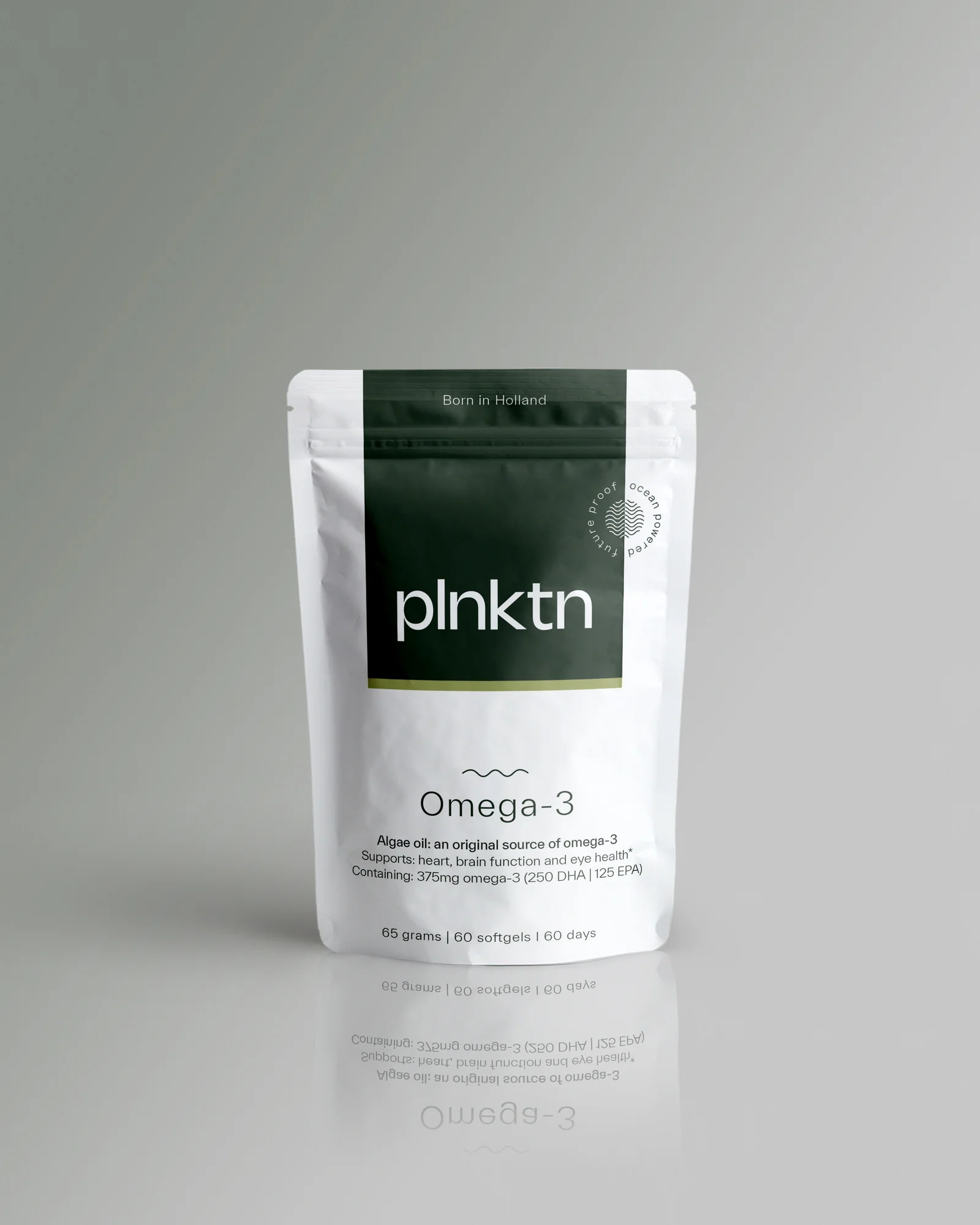

Omega-3 (algenolie)
Daily omega-3 from the original source: algae. With essential EPA and DHA for heart, brain and eyes.
- • 250 mg DHA and 125 mg EPA per capsule
- • 100% fish-free, plant-based algenolie
- • No fishy aftertaste, clean and controlled source
Disclosure: We may earn a commission if you purchase via these links.
Who Should Switch to Algae Omega-3?
| Profile | Why Algae |
|---|---|
| Vegans and vegetarians | The only source of preformed DHA+EPA without animal products |
| Sustainability-conscious consumers | Eliminates fish oil's environmental footprint entirely |
| Pregnant and breastfeeding women | Zero mercury risk — critical during fetal brain development |
| People with fish allergy | Algae oil is fish-free and allergen-safe |
| Fish oil "haters" | No fishy taste, no fish burps |
| Quality-focused consumers | Closed-system production = no environmental contaminant exposure |
How to Take Algae Omega-3
Dosage
| Goal | Daily DHA+EPA | Notes |
|---|---|---|
| General health (EFSA minimum) | 250 mg | Maintenance level |
| Cardiovascular support | 500 mg | AHA general recommendation |
| Pregnancy / breastfeeding | 300 mg DHA minimum | WHO recommendation for fetal development |
| Anti-inflammatory support | 1,000–2,000 mg | Higher-dose protocol, consult practitioner |
Practical Tips
- Take with a fat-containing meal — omega-3 is fat-soluble. Absorption increases significantly with dietary fat.
- Consistency over dose — daily supplementation is more important than high single doses. Omega-3 levels build in tissue over 4–8 weeks.
- Morning or evening — no strong evidence for timing. Take with whichever meal is most convenient.
- Store properly — keep capsules sealed and cool. Refrigerate liquid oil after opening and use within the manufacturer's timeframe.
- Check the label — look for DHA and EPA content per serving (not total omega-3, which may include less important fatty acids).
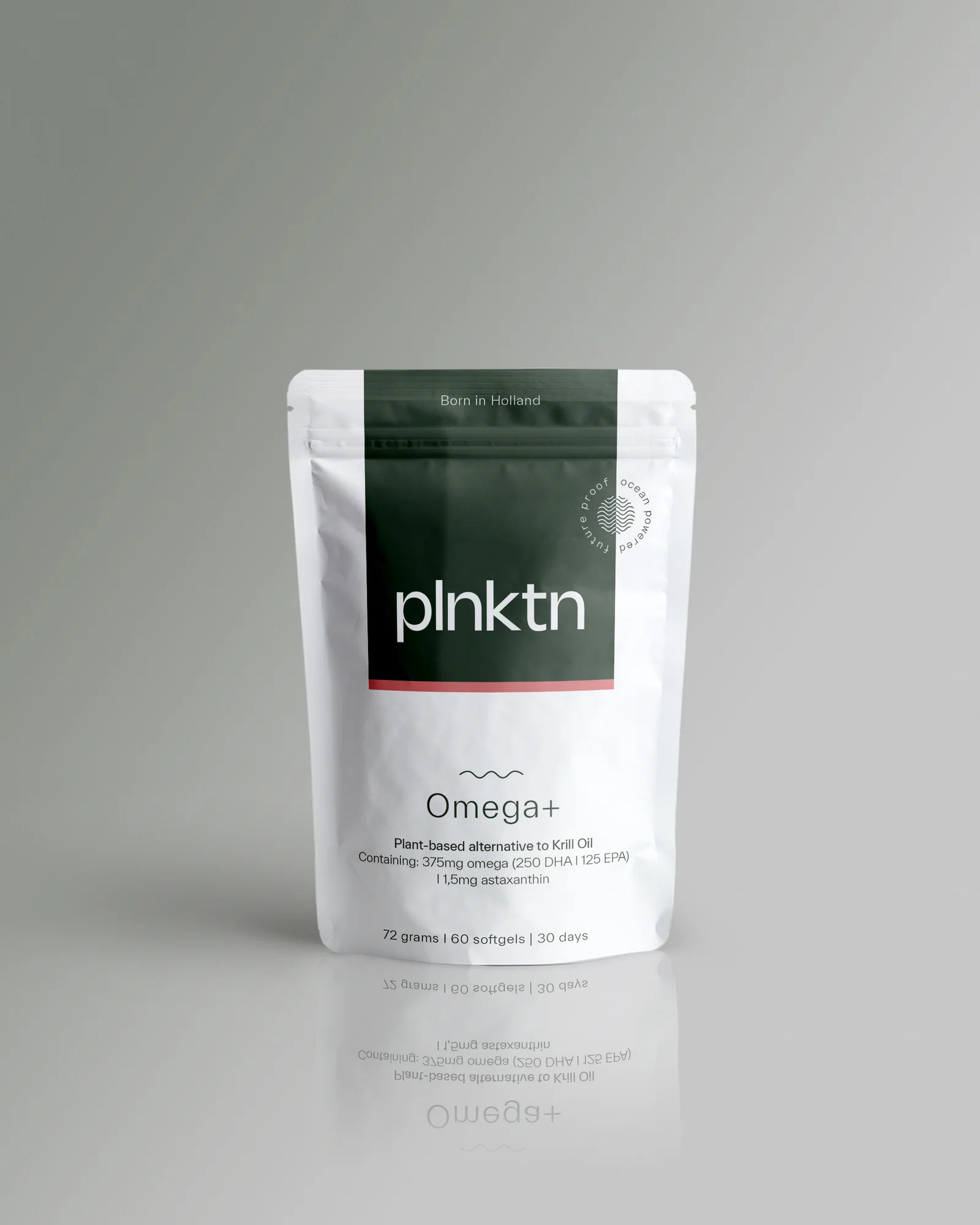
Omega-3 Plus
Combination of algae omega-3 with natural astaxanthin for extra cellular protection.
- • DHA/EPA from algae combined with astaxanthin
- • Supports heart, brain and eyes while helping protect cells
- • Fish-free, vegan and sustainably produced
Disclosure: We may earn a commission if you purchase via these links.

Frequently Asked Questions
Is algae omega-3 as good as fish oil?
For DHA: yes, it is bioequivalent (Arterburn et al. 2008). For EPA: algae oil typically contains less EPA per serving than fish oil, though this gap is narrowing with newer algae strains. For overall health outcomes, the evidence shows equivalent cardiovascular and neurological benefits from algae-derived omega-3.
What is the best vegan omega-3?
Algae-derived DHA+EPA oil is the only vegan source of preformed long-chain omega-3. Flaxseed, chia, and hemp provide ALA, which converts poorly to DHA (1–5%). For vegans seeking meaningful omega-3 levels, algae oil is the only evidence-based option.
Is algae oil better for you than fish oil?
In terms of the omega-3 itself, they are equivalent. Algae oil's advantages are: zero mercury/PCB contamination risk, no fishy taste, vegan, and dramatically lower environmental impact. Fish oil's advantage is: lower cost (for budget products) and higher EPA content in many formulations.
Can I get enough omega-3 from eating algae directly?
Eating whole algae (spirulina, chlorella, nori) provides minimal DHA/EPA — these species are not significant omega-3 producers. The microalgae used for omega-3 production (Schizochytrium) are not consumed as food. Supplementation with extracted algae oil is the practical approach.
How long does it take for algae omega-3 to work?
Blood omega-3 levels begin rising within days of supplementation, but tissue saturation takes 4–8 weeks of consistent daily use. For cardiovascular or cognitive benefits, plan for at least 8–12 weeks before assessing effects.
Is algae omega-3 safe during pregnancy?
Yes — and arguably safer than fish oil due to zero mercury risk. DHA is critical for fetal brain and eye development. The WHO recommends at least 300mg DHA daily during pregnancy. Algae-derived DHA is endorsed by multiple obstetric guidelines as a safe, effective source.
Where to Buy
Affiliate disclosure: Smart Supplements earns a commission on purchases made through partner links. This doesn't affect our editorial content or recommendations.
When choosing algae omega-3, check: DHA and EPA content per serving, source species, third-party testing, and triglyceride form (preferred over ethyl ester for absorption).
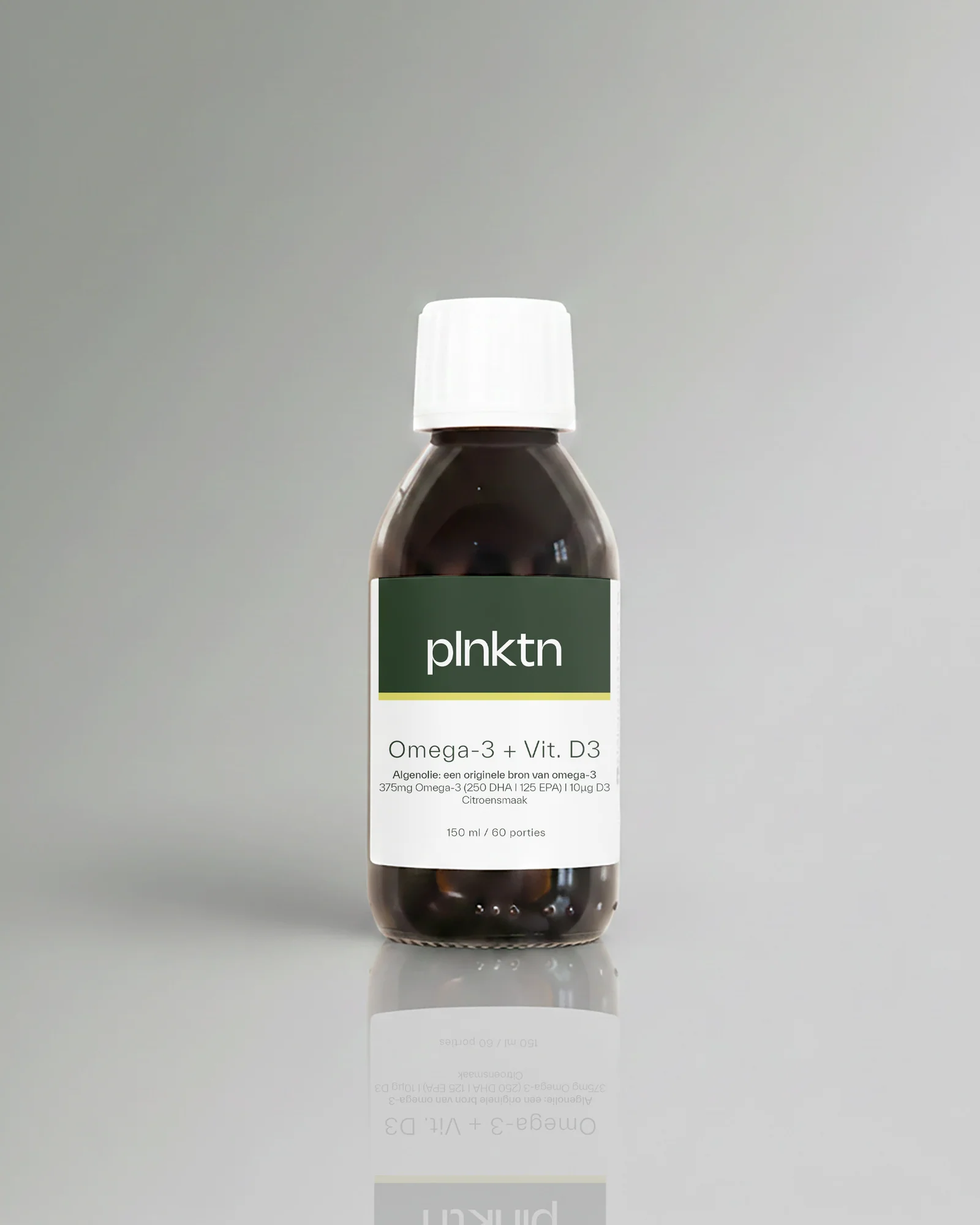
Omega-3 Liquid
Liquid algae omega-3 oil for flexible dosing in smoothies, yoghurt or directly from the spoon.
- • Liquid omega-3 from algae, easy to dose
- • Ideal if you do not like capsules
- • Fish-free and mild in taste
Disclosure: We may earn a commission if you purchase via these links.
For the full context on algae supplements beyond omega-3, see our algae supplements beginner's guide.
This article is for informational purposes only and is not intended as medical advice. Always consult a healthcare professional before starting any new supplement, especially if you take prescription medication.
Related topics
Where to buy
Affiliate links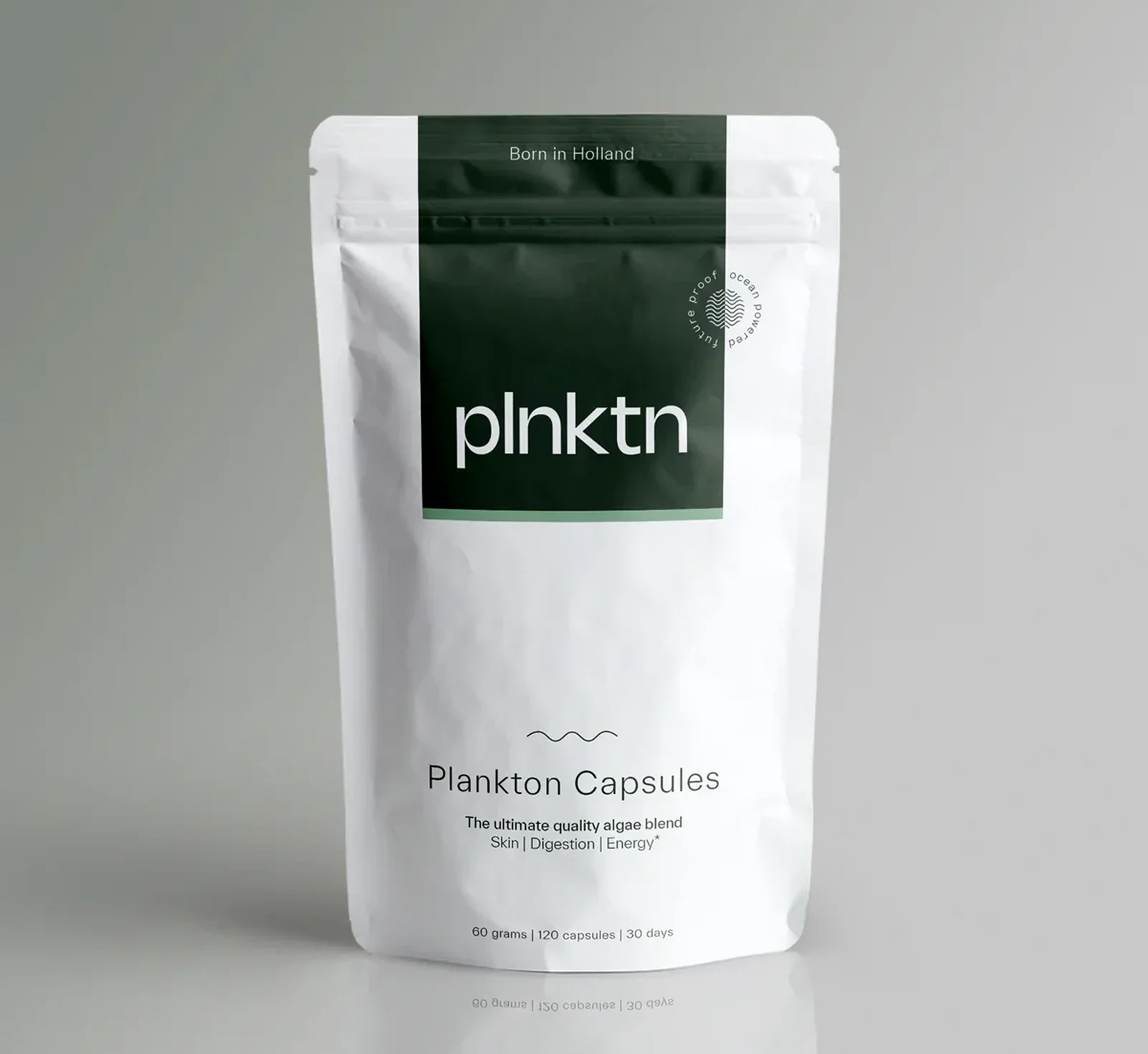
Plankton Capsules
Blend of 4 nutrient-dense micro- and macroalgae from European cultivation. Daily support for gut, skin and energy.
- • 75+ nutrients: minerals, vitamins, pigments, antioxidants and complete proteins
- • 100% natural, plant-based and responsibly grown
- • Supports digestion, energy metabolism and skin health
Omega-3 (algenolie)
Daily omega-3 from the original source: algae. With essential EPA and DHA for heart, brain and eyes.
- • 250 mg DHA and 125 mg EPA per capsule
- • 100% fish-free, plant-based algenolie
- • No fishy aftertaste, clean and controlled source

Vitamine D3 (algen)
Daily vitamin D3 from algae with omega-3 for optimal absorption. Supports immune system, muscles and bones.
- • Vitamine D3 uit algen, geschikt voor vegetariërs en veganisten
- • Ondersteunt immuunsysteem, spieren en sterk botweefsel
- • Bevat ook 250 mg omega-3 DHA per capsule

Magnesium (algen)
Magnesium supplement for an active lifestyle, derived from marine algae.
- • Supports normal muscle function and energy metabolism
- • Plant-based source, gentle on stomach
- • Designed for active lifestyles and recovery
Disclosure: We may earn a commission if you purchase via these links.
Related articles
PLNKTN Omega-3 vs Omega-3 Plus: Which Should You Choose?
PLNKTN offers three algae omega-3 products at three price points. Here is which one fits your needs — and which is the best value per mg of DHA+EPA.
Sustainability and Supplements: How Algae Can Save the Planet
If every European replaced their fish oil capsule with an algae equivalent, millions of tonnes of fish would stay in the ocean. Here is the environmental c
Algae Vitamin D3: Why Source Matters More Than You Think
Most vitamin D3 comes from sheep's wool or fish liver. Algae-derived D3 is the only vegan source of true cholecalciferol — and PLNKTN pairs it with omega-3