
Chlorella for Detox: What the Science Actually Says
Written by Smart Supplements Editorial Team
Key takeaways
- Chlorella's cell wall binds heavy metals (lead, cadmium, mercury) in the GI tract, with multiple studies supporting reduced absorption.
- Cracked or broken cell wall chlorella is essential — uncracked chlorella passes through largely undigested.
- Start with 1-2g daily and increase gradually to avoid common GI discomfort during the first 1-2 weeks.
- Chlorella Growth Factor (CGF) is a unique nucleotide-peptide complex found only in chlorella, supporting cell repair and immune function.
- Quality matters: choose closed-system cultivated, heavy-metal-tested, organic chlorella with cracked cell wall verified on the label.
Table of contents
- What Is Chlorella?
- The "Detox" Claim: What Does It Actually Mean?
- Heavy Metal Binding: The Evidence
- Cracked Cell Wall: Why It Matters
- Chlorella Growth Factor (CGF)
- Other Evidence-Based Benefits
- Dosage and How to Take Chlorella
- Side Effects and Considerations
- Quality: What to Look For
- Frequently Asked Questions
- Where to Buy
What Is Chlorella?
Chlorella is a genus of single-celled green microalgae, with two species dominating the supplement market: Chlorella vulgaris and Chlorella pyrenoidosa. It is one of the most studied microalgae in nutritional science, with over 1,000 published papers examining its composition and health effects.
Nutritional Profile
| Nutrient | Content (per 100g dry weight) |
|---|---|
| Protein | 50–60% |
| Chlorophyll | Highest of any known plant (3–5%) |
| Iron | 100–200 mg |
| Vitamin B12 | Small amounts of genuine (active) B12 |
| Beta-carotene | 10–20 mg |
| Nucleic acids (RNA/DNA) | 5–10% |
| Chlorella Growth Factor (CGF) | 5–10% (unique to chlorella) |
Chlorella is nutritionally dense — that much is uncontroversial. What separates it from other green supplements is the cell wall and what is inside it.

The "Detox" Claim: What Does It Actually Mean?
The word "detox" has been so thoroughly co-opted by the wellness industry that it has almost lost its meaning. Juice cleanses, foot pads, infrared saunas, and activated charcoal are all marketed as "detoxifiers" with varying degrees of evidence (mostly none).
But in pharmacological and toxicological terms, detoxification has a specific meaning: the reduction of a toxic substance's bioavailability or concentration in the body. This can happen through:
- Binding in the GI tract — preventing absorption of ingested toxins
- Enhanced excretion — increasing urinary or faecal elimination of circulating toxins
- Hepatic metabolism — supporting liver enzyme pathways that process toxins
Chlorella's detox mechanism operates primarily through pathway 1: its cell wall binds to heavy metals and certain environmental toxins in the gastrointestinal tract, reducing their absorption into the bloodstream. This is not pseudoscience — it is basic chemistry. Chlorella's cell wall is rich in cellulose and sporopollenin, which have documented metal-chelating properties.
What chlorella does not do is "pull metals out of your organs" or "cleanse your blood." These claims overstate the evidence. The binding occurs in the gut, primarily affecting newly ingested or recirculating toxins — not metals already deposited in tissue.
Heavy Metal Binding: The Evidence
Key Studies
Uchikawa et al. (2010) — Journal of Toxicological Sciences
- Animal model: chlorella supplementation reduced lead absorption from the GI tract by approximately 40%
- Mechanism: cell wall binding of lead ions in the gut, preventing systemic absorption
- Also demonstrated reduced cadmium accumulation in kidneys
Morita et al. (1999) — Journal of Nutritional Science and Vitaminology
- Human study: 35 breastfeeding women in Japan
- 6g chlorella daily during pregnancy
- Results: significantly reduced dioxin levels in breast milk compared to control group
- Notable: this is one of the strongest human studies, demonstrating reduced transfer of persistent organic pollutants
Nakano et al. (2005) — Alternative Therapies in Health and Medicine
- Human study: chlorella supplementation (10g/day) reduced methylmercury levels in hair samples
- Suggested mechanism: chlorella binds methylmercury in the gut, reducing enterohepatic recirculation
Shim et al. (2009) — Nutrition Research and Practice
- Rat study: chlorella reduced cadmium-induced nephrotoxicity (kidney damage)
- Mechanism: both direct binding and enhanced antioxidant defence
Summary of Evidence
| Metal/Toxin | Evidence Type | Effect | Strength |
|---|---|---|---|
| Lead (Pb) | Animal studies | Reduced GI absorption ~40% | Moderate |
| Cadmium (Cd) | Animal + cell studies | Reduced kidney accumulation | Moderate |
| Methylmercury (MeHg) | Human (small study) | Reduced hair mercury levels | Preliminary |
| Dioxins | Human (breastfeeding women) | Reduced breast milk levels | Moderate-strong |
| Arsenic | Cell studies | Binding demonstrated in vitro | Preliminary |
The evidence is not at the level of pharmaceutical-grade proof, but it is stronger than most "detox" claims in the supplement world. The mechanism is plausible, and multiple independent research groups have replicated the general finding of heavy metal binding.
Cracked Cell Wall: Why It Matters
This is the single most important practical consideration when choosing a chlorella supplement.
Chlorella has the toughest cell wall of any microalgae — a multi-layered structure of cellulose, hemicellulose, and sporopollenin that is virtually indigestible by human enzymes. If you consume whole-cell chlorella, the majority passes through your digestive system intact, with most nutrients locked inside.
Processing Methods
| Method | Description | Effectiveness |
|---|---|---|
| Cracked cell wall | Mechanical pressure breaks cell wall | ✅ Gold standard — releases nutrients |
| Broken cell wall | Similar mechanical process | ✅ Effective |
| Pulverised | Ground to fine powder | ⚠️ Variable — may not fully open cells |
| Whole cell (unprocessed) | Intact cell wall | ❌ Poor nutrient bioavailability |
Always check the label for "cracked cell wall" or "broken cell wall." If the product does not specify its processing method, assume it may be whole-cell and therefore poorly absorbed.
Paradoxically, the cell wall is also where much of chlorella's metal-binding capacity resides. A cracked cell wall still provides binding sites for heavy metals in the gut while also releasing the internal nutrients for absorption. It is the best of both worlds.

Chlorella Growth Factor (CGF)
Chlorella Growth Factor is a unique extract found exclusively in chlorella — no other algae or plant produces it. CGF is a nucleotide-peptide complex derived from the nucleus of the chlorella cell, containing RNA, DNA, amino acids, polysaccharides, and vitamins.
What CGF Does
Chlorella reproduces by quadrupling every 20–24 hours — one of the fastest growth rates of any organism. CGF is the compound that drives this rapid cell division. When consumed by humans, CGF's proposed mechanisms include:
| Mechanism | Evidence Level |
|---|---|
| Cell repair and regeneration support | Preliminary (cell studies, animal models) |
| Immune system modulation | Moderate (multiple studies) |
| Gut lining integrity | Preliminary (GI healing studies) |
| Enhanced growth in children | Historical (Japanese school studies, 1960s) |
The most robust evidence is for immune modulation. Kwak et al. (2012) in Nutrition Journal demonstrated that 5g/day chlorella supplementation for 8 weeks increased NK (natural killer) cell activity and various cytokine markers in healthy adults — suggesting genuine immunomodulatory effects.
Other Evidence-Based Benefits
Beyond heavy metal binding, chlorella has been studied for several other health outcomes:
Clinical Evidence Summary
| Benefit | Study | Finding |
|---|---|---|
| Cholesterol reduction | Ryu et al. (2014), Nutrition Journal | 5g/day chlorella reduced total cholesterol and LDL in mildly hypercholesterolaemic adults |
| Blood pressure | Merchant et al. (2002), Alternative Therapies | 10g/day chlorella produced modest reductions in diastolic blood pressure |
| Antioxidant activity | Panahi et al. (2013), Complementary Therapies in Medicine | Chlorella supplementation increased serum antioxidant markers |
| Immune function | Kwak et al. (2012), Nutrition Journal | 5g/day increased NK cell activity after 8 weeks |
| Blood sugar | Mizoguchi et al. (2008), Journal of Medicinal Food | Chlorella improved insulin sensitivity markers in non-diabetic adults |
These are not headline-grabbing effects — the improvements are modest. But they are consistent across studies and align with chlorella's broad nutritional profile. Think of chlorella as a nutrient-dense whole food with specific metal-binding properties, not a targeted pharmaceutical.
Dosage and How to Take Chlorella
Dosage Table
| Purpose | Daily Dose | Notes |
|---|---|---|
| General nutrition | 2–3 g | Maintenance level for nutrient support |
| Detox support | 5–10 g | Used in metal-binding protocols |
| Immune support | 5 g | Based on Kwak et al. (2012) |
| Cholesterol support | 5 g | Based on Ryu et al. (2014) |
| Therapeutic protocols | 10+ g | Practitioner-guided only |
Practical Tips
- Start low (1–2g/day) and increase over 1–2 weeks. Digestive adjustment is common.
- Take with meals — improves tolerance and absorption
- Tablet vs powder: Tablets are more convenient. Powder can be added to smoothies but has a strong green, earthy taste.
- Timing: No strong evidence for morning vs evening. Some people prefer morning for its mild energising effect.
- Green stool is normal — chlorella is 3–5% chlorophyll. Your stool will turn green. This is harmless.
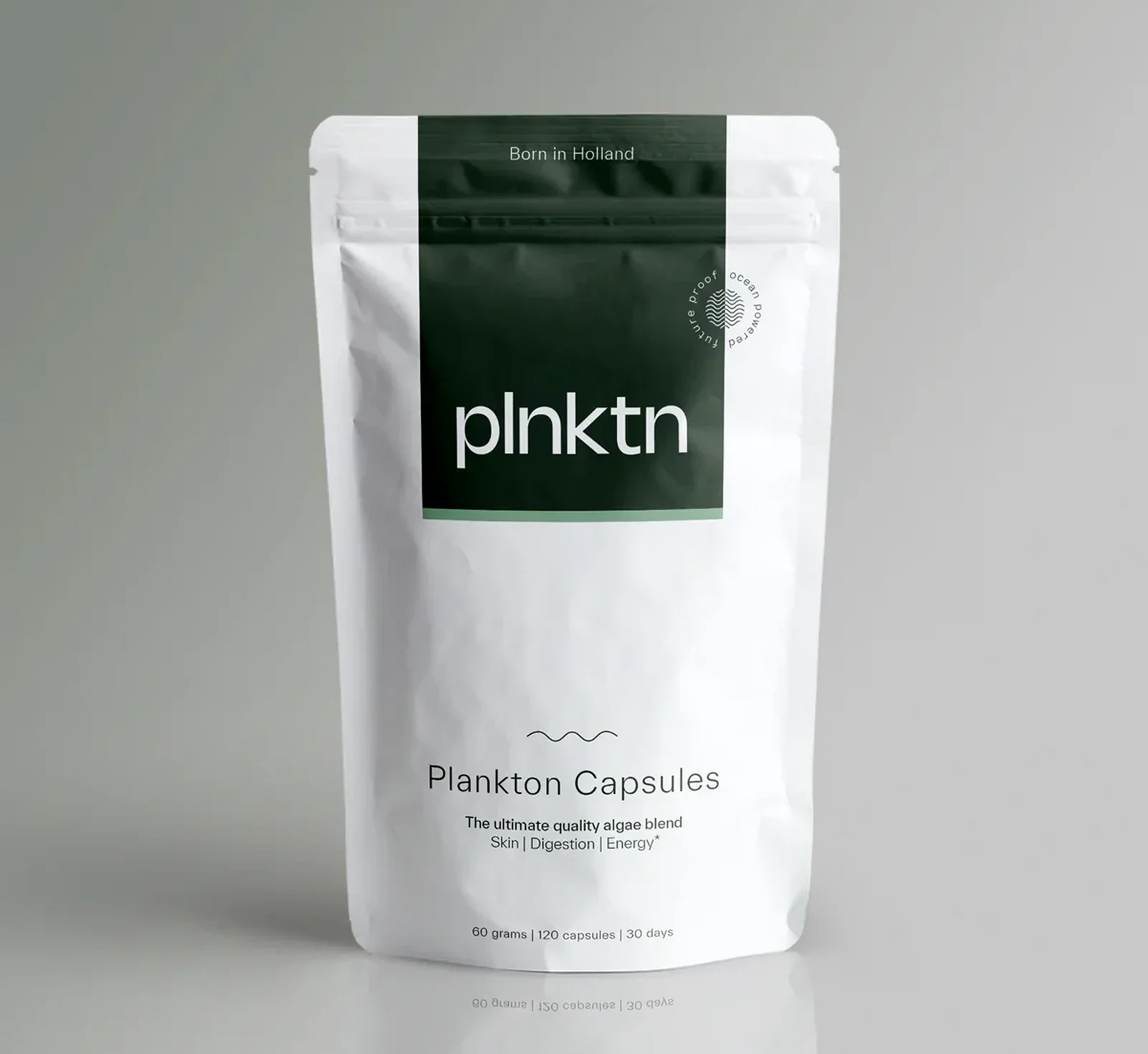

Plankton Capsules
Blend of 4 nutrient-dense micro- and macroalgae from European cultivation. Daily support for gut, skin and energy.
- • 75+ nutrients: minerals, vitamins, pigments, antioxidants and complete proteins
- • 100% natural, plant-based and responsibly grown
- • Supports digestion, energy metabolism and skin health
Disclosure: We may earn a commission if you purchase via these links.
Side Effects and Considerations
Common Side Effects (first 1–2 weeks)
- Gas and bloating — the most common complaint, usually resolving within 1–2 weeks as the gut adjusts
- Loose stool or diarrhoea — dose-dependent; resolve by reducing dose temporarily
- Nausea — rare, usually from taking on an empty stomach
- Green discolouration of stool — normal and harmless
Cautions
| Concern | Detail |
|---|---|
| Blood thinners | Chlorella contains vitamin K; consult your doctor if taking warfarin |
| Iodine content | Chlorella contains iodine; caution with thyroid conditions |
| Autoimmune conditions | Chlorella stimulates immune function; may be inappropriate for some autoimmune conditions |
| Pregnancy | Generally considered safe, but consult your healthcare provider |
| Medication timing | Take chlorella 2+ hours away from prescription medications (binding effect may reduce drug absorption) |
Quality: What to Look For
Not all chlorella is created equal. Quality varies enormously depending on cultivation method, origin, and processing.
Quality Checklist
| Quality Marker | Why It Matters |
|---|---|
| Cracked/broken cell wall | Essential for nutrient bioavailability |
| Heavy metal testing | Chlorella bioaccumulates metals — if grown in contaminated water, it absorbs them |
| Closed-system cultivation | Protected from environmental contamination (vs open ponds) |
| Organic certification | EU Organic or equivalent; ensures no synthetic pesticides/fertilisers |
| Country of origin declared | Know where your chlorella comes from |
| Species identified | C. vulgaris or C. pyrenoidosa should be specified |
| Third-party test certificate | Independent verification of purity and potency |
The heavy metal testing point deserves emphasis: chlorella's metal-binding capacity is a double-edged sword. If the chlorella itself is grown in contaminated water (common with open-pond cultivation in industrial areas), the supplement may contain elevated levels of the very toxins you are trying to avoid. European-cultivated, closed-system chlorella eliminates this risk.
For more on why European algae production matters, see our Dutch-grown chlorella quality guide.

Frequently Asked Questions
Does chlorella actually detox your body?
Chlorella binds heavy metals and certain environmental toxins in the GI tract, reducing their absorption into your bloodstream. This is supported by multiple studies. However, it does not "pull metals out of your organs" or "cleanse your blood" — those claims overstate the evidence. Think of it as reducing ongoing toxic exposure rather than reversing past accumulation.
How much chlorella should I take for detox?
Studies examining heavy metal binding typically use 5–10g daily. Start with 1–2g and increase gradually over 2 weeks to minimise digestive discomfort. For general nutritional support, 2–3g daily is sufficient.
Is chlorella better than spirulina for detox?
For heavy metal binding specifically, chlorella is superior. Its cell wall structure has documented metal-chelating properties that spirulina's does not share. Spirulina excels in other areas — protein content, phycocyanin (anti-inflammatory), and iron. They are complementary rather than interchangeable. See our spirulina vs chlorella comparison for a detailed breakdown.
Can I take chlorella every day?
Yes. Daily supplementation is the standard approach in both research and traditional use (chlorella has been a daily supplement in Japan since the 1960s). The studies showing benefits used continuous daily supplementation over 8–16 weeks.
Does chlorella interact with medications?
Chlorella's binding capacity means it can theoretically reduce the absorption of some medications. Take chlorella at least 2 hours apart from prescription medications. Its vitamin K content also requires caution for people on warfarin or other blood thinners.
Why is my stool green after taking chlorella?
Chlorella contains the highest chlorophyll concentration of any known plant — 3–5% by dry weight. Chlorophyll is a green pigment that passes through your digestive system and colours your stool. This is completely normal and harmless. It is actually a sign that the chlorella is high quality and chlorophyll-rich.
Where to Buy
Affiliate disclosure: Smart Supplements earns a commission on purchases made through partner links. This doesn't affect our editorial content or recommendations.
When purchasing chlorella, always verify: cracked cell wall, heavy metal testing, and country of origin. European-produced chlorella from closed bioreactor systems offers the highest assurance of purity.
For a comprehensive introduction to algae supplements, start with our algae supplements beginner's guide.
This article is for informational purposes only and is not intended as medical advice. Always consult a healthcare professional before starting any new supplement, especially if you take prescription medication.
Related topics
Where to buy
Affiliate linksPlankton Capsules
Blend of 4 nutrient-dense micro- and macroalgae from European cultivation. Daily support for gut, skin and energy.
- • 75+ nutrients: minerals, vitamins, pigments, antioxidants and complete proteins
- • 100% natural, plant-based and responsibly grown
- • Supports digestion, energy metabolism and skin health
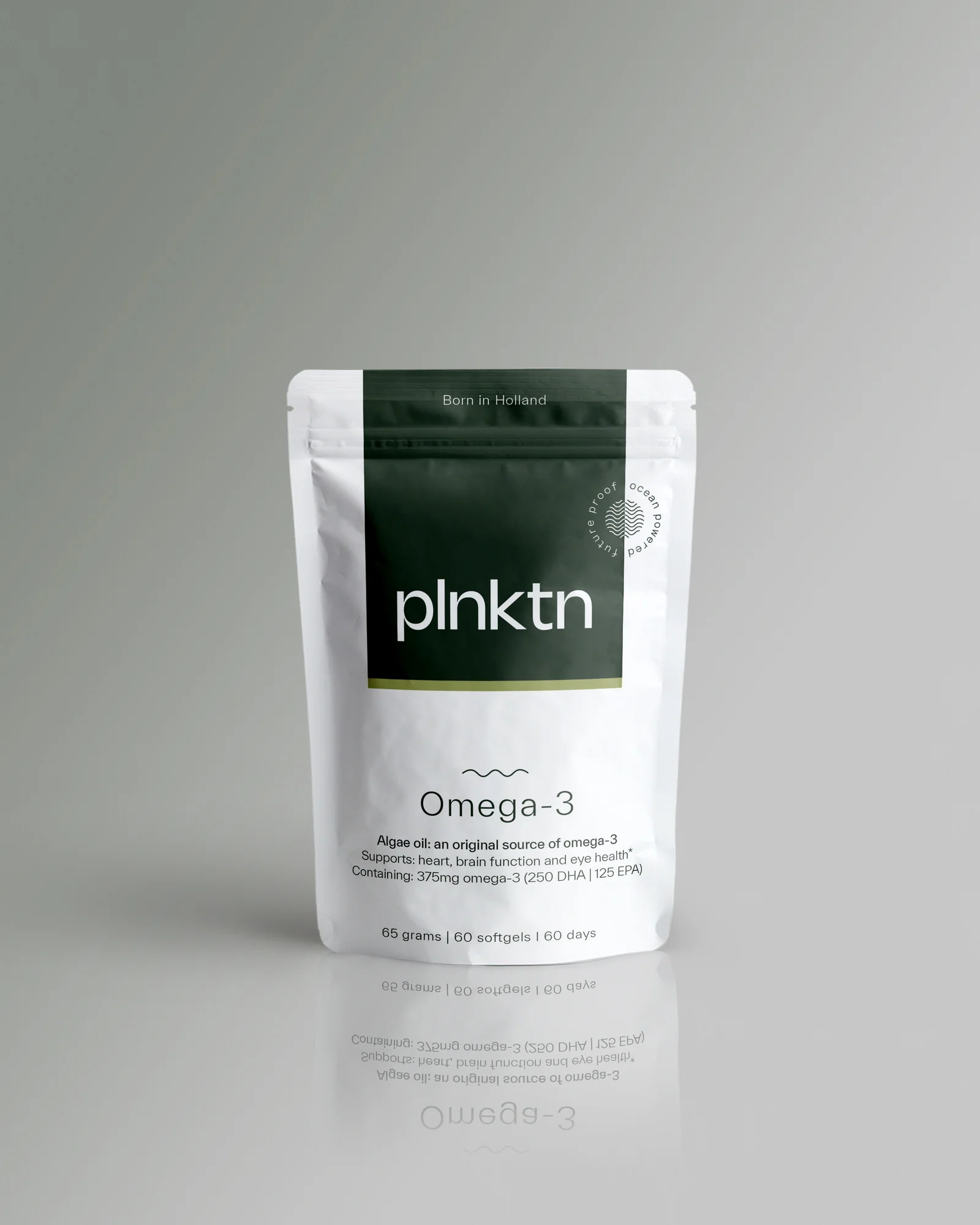
Omega-3 (algenolie)
Daily omega-3 from the original source: algae. With essential EPA and DHA for heart, brain and eyes.
- • 250 mg DHA and 125 mg EPA per capsule
- • 100% fish-free, plant-based algenolie
- • No fishy aftertaste, clean and controlled source

Vitamine D3 (algen)
Daily vitamin D3 from algae with omega-3 for optimal absorption. Supports immune system, muscles and bones.
- • Vitamine D3 uit algen, geschikt voor vegetariërs en veganisten
- • Ondersteunt immuunsysteem, spieren en sterk botweefsel
- • Bevat ook 250 mg omega-3 DHA per capsule

Magnesium (algen)
Magnesium supplement for an active lifestyle, derived from marine algae.
- • Supports normal muscle function and energy metabolism
- • Plant-based source, gentle on stomach
- • Designed for active lifestyles and recovery
Disclosure: We may earn a commission if you purchase via these links.
Related articles
Dutch-Grown Chlorella: Why European Algae Quality Matters
Most chlorella is grown in open ponds across Asia. Dutch chlorella from closed bioreactors offers contamination-free production with full traceability. Her
Spirulina vs Chlorella: Which Algae Supplement Is Better?
Spirulina and chlorella are both algae superfoods — but they are not interchangeable. Here is the definitive side-by-side comparison: nutrition, benefits,
The Best Algae Supplements in Europe: A Buyer's Guide
The European algae supplement market has exploded — but quality varies enormously. Here is how to cut through the noise: quality criteria, category breakdo