
CBD for Pain Relief: What the Evidence Says
Written by Smart Supplements Editorial Team
Key takeaways
- CBD targets pain through CB2 anti-inflammatory activity, TRPV1 desensitisation, FAAH inhibition, and PPARγ activation — making it most relevant for inflammatory and neuropathic pain.
- The strongest human cannabinoid pain evidence uses Sativex (1:1 CBD:THC), not CBD alone — pure CBD's standalone evidence is promising but more limited.
- Topical CBD works locally for joint and muscle pain without entering the bloodstream; oral CBD is better for systemic or widespread pain.
- Pain typically requires higher CBD doses than anxiety or sleep — most effective clinical studies use 25–150mg per day.
- CBD works best as an adjunct for chronic pain management, not as a replacement for medical care or strong analgesics for acute severe pain.
Table of contents
How CBD Interacts With Pain Pathways
CBD does not work like a painkiller in the conventional sense. It does not block pain signals the way opioids do (by binding μ-opioid receptors) or reduce prostaglandin synthesis the way NSAIDs do. Instead, it modulates pain through several overlapping mechanisms:
CB2 receptor activation: CB2 receptors are concentrated in immune cells and peripheral tissues. CBD's indirect CB2 activity reduces pro-inflammatory cytokine release (TNF-α, IL-1β, IL-6) — the chemical signals that drive inflammatory pain. This is the mechanism most relevant to arthritis, muscle soreness, and tissue-damage pain.
TRPV1 desensitisation: TRPV1 (the capsaicin receptor) is a key pain transducer in peripheral nerves. CBD activates and then desensitises TRPV1, reducing its response to pain stimuli. This mechanism is particularly relevant for neuropathic pain — the burning, shooting pain associated with nerve damage.
Endocannabinoid system modulation: CBD inhibits FAAH, the enzyme that breaks down anandamide. Higher anandamide levels reduce pain signal transmission in both peripheral and central nervous system pathways. Anandamide also has anti-inflammatory properties independent of pain signalling.
PPARγ activation: This nuclear receptor, when activated by CBD, suppresses inflammatory gene expression — a slower but sustained anti-inflammatory effect relevant to chronic inflammatory conditions.
Central sensitisation: In chronic pain, the central nervous system can become hypersensitised — amplifying pain signals even from minor stimuli. CBD's anti-anxiety and ECS-modulating effects may partially address this central component, though this is less well characterised.
What Types of Pain Has CBD Been Studied For?
Neuropathic pain
This is arguably the most promising area for CBD specifically. A 2020 cross-over trial (Xu et al., Journal of Pain Research) found that topical CBD significantly reduced intense pain, sharp pain, and cold, itchy sensations in patients with peripheral neuropathy — with no adverse effects. Animal models consistently show CBD reducing neuropathic pain behaviours.
The challenge: most robust human cannabinoid pain trials use Sativex (1:1 CBD:THC combination) rather than CBD alone, making it difficult to attribute effects solely to CBD.
Inflammatory pain and arthritis
Preclinical data is strong. A widely cited 2016 study by Hammell et al. found that topical CBD gel significantly reduced joint swelling and pain behaviours in arthritic rats, with effects lasting beyond the treatment period. Human data is limited but emerging — a 2020 survey of arthritis patients (Gelman et al., ACR Open Rheumatology) found 79% of CBD users reported reduction in pain.
Human RCT data for CBD isolate in arthritis specifically remains sparse. The Sativex trials in rheumatoid arthritis (Blake et al., 2006) showed significant improvement in pain on movement, pain at rest, and quality of sleep — but again, this is CBD combined with THC.
Chronic pain (general)
A comprehensive 2018 review in Frontiers in Pharmacology (Aviram & Samuelly-Leichtag) examining 18 studies found evidence supporting cannabis-based medicines for chronic non-cancer pain, with particular strength for neuropathic pain. A 2022 Cochrane-adjacent systematic review concluded there was moderate-certainty evidence that cannabis-based medicines reduce chronic pain.
Important caveat: most reviewed studies use whole-plant extracts or THC-containing products. Pure CBD evidence for chronic pain specifically is weaker.
Cancer pain
Some of the strongest cannabinoid pain evidence comes from cancer pain research, predominantly using THC-dominant or combined CBD:THC preparations. Pure CBD is less well studied in this context, but the anti-inflammatory and TRPV1 mechanisms remain relevant for pain associated with inflammation and nerve involvement in cancer.
Acute pain
Least evidence. CBD is unlikely to be effective for acute severe pain — the kind requiring strong analgesia. For post-exercise soreness, minor injury recovery, and post-procedure discomfort, the anti-inflammatory mechanism provides some rationale, but don't expect CBD to replace ibuprofen for acute pain management.
Topical vs Oral CBD for Pain
The route of administration significantly affects which pain types CBD can address.
| Format | Best for | Mechanism | Onset |
|---|---|---|---|
| Topical (cream, balm) | Localised joint/muscle pain, arthritis, neuropathy in hands/feet | Local CB2 + TRPV1 | 15–45 min |
| Sublingual oil | Widespread/systemic pain, central sensitisation, sleep-disrupting pain | Systemic via bloodstream | 15–25 min |
| Capsules / softgels | Chronic pain requiring sustained levels | Systemic, slower onset | 30–90 min |
Topical CBD does not enter the bloodstream in significant amounts — it works locally, which is both a limitation (won't help widespread or systemic pain) and an advantage (no systemic side effects, no drug interactions at low doses).
Oral CBD provides systemic coverage and is better suited for neuropathic pain, widespread inflammatory pain, and situations where pain is affecting sleep or general quality of life.
For arthritis or localised musculoskeletal pain, combining a topical for immediate local relief with oral CBD for background systemic anti-inflammatory support may offer the best results.
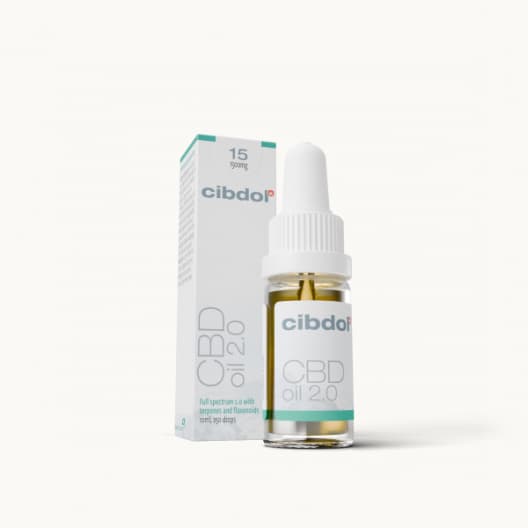

CBD Oil 2.0 15% (1500mg)
A mid-strength step up for users who want more noticeable support with fewer drops. 1500mg full-spectrum CBD with enhanced cannabinoid profile.
- • 1500mg CBD per 10ml bottle
- • Full-spectrum entourage formula
- • Fewer drops needed vs 10%
Disclosure: We may earn a commission if you purchase via these links.
Dosing CBD for Pain
Pain typically requires higher CBD doses than anxiety or sleep applications. Clinical studies showing meaningful effects generally used doses in the range of 25–150mg per day.
Starting approach for chronic pain:
- Begin with 20–25mg twice daily (morning and evening)
- Increase by 10mg every 5–7 days until benefit is noted
- Most people find their effective dose between 50–100mg/day for pain
- Allow 4–6 weeks of consistent use before evaluating — anti-inflammatory effects build over time
For topical use:
- Apply a generous amount to the affected area
- Look for products with at least 250–500mg CBD per 100ml for therapeutic concentration
- Apply 2–3 times daily for inflammatory conditions; as needed for acute flares
See our full CBD Dosage Guide for a systematic approach to finding your dose.
Honest Limitations
CBD is not a reliable standalone treatment for severe pain. Several important caveats:
Most strong evidence involves THC: The Sativex data, the cancer pain data, and much of the neuropathic pain research all involve THC as a co-ingredient. CBD's standalone evidence is promising but weaker.
Bioavailability affects dose delivery: At 6–15% oral bioavailability, many over-the-counter CBD products deliver much less active CBD than the label suggests. See our CBD Bioavailability guide for how to maximise absorption.
Individual variation is high: Pain response to CBD varies significantly between individuals, likely due to differences in CB2 receptor expression, ECS tone, and pain aetiology.
Not a replacement for medical care: Chronic or severe pain requires diagnosis and medical management. CBD works best as an adjunct — reducing reliance on NSAIDs (with their GI side effects) or as a complementary approach alongside physiotherapy and lifestyle modifications.
The most realistic positioning for CBD in pain management: a well-tolerated, low-risk anti-inflammatory adjunct with particular promise for neuropathic and inflammatory pain, especially when oral and topical approaches are combined.
Drug Interactions to Be Aware Of
If you take prescription pain medications, check for CBD interactions before starting:
- NSAIDs (ibuprofen, naproxen): No significant pharmacokinetic interaction at normal doses, but both have anti-inflammatory effects — potential for additive benefit
- Opioids: CBD may potentiate opioid analgesia (preclinical evidence), potentially allowing dose reduction. Discuss with your prescriber
- Anticoagulants (warfarin): CBD inhibits CYP2C9, which metabolises warfarin — can increase warfarin levels and bleeding risk. Important interaction requiring monitoring
- Gabapentin/pregabalin: Commonly prescribed for neuropathic pain; limited interaction data but monitor for additive CNS effects
Always consult your doctor or pharmacist before combining CBD with prescription pain medications.
CBD Topicals
CBD-infused creams, balms, and topical products for targeted skin and muscle relief.
Disclosure: We may earn a commission if you purchase via these links.
Frequently Asked Questions
How long does CBD take to work for pain?
Acute anti-inflammatory effects via oral CBD are typically noticeable within 1–2 weeks. Full benefit for chronic inflammatory conditions may take 4–6 weeks of consistent daily use. Topicals act locally within 15–45 minutes.
Is CBD better than ibuprofen for pain?
For acute pain, no — NSAIDs are faster and more reliably effective. For chronic inflammatory conditions, CBD's better tolerability profile (no GI damage, no cardiovascular risk at normal doses) makes it an appealing long-term alternative or adjunct.
Can CBD cure arthritis?
No. CBD can reduce inflammation and pain associated with arthritis, but it does not modify the underlying disease process. It is a symptomatic treatment.
Does full-spectrum CBD work better for pain than isolate?
Evidence and theory both suggest yes. The entourage effect — synergy between CBD, trace THC, CBG, and terpenes — appears to produce stronger anti-inflammatory and analgesic effects than CBD isolate alone. Full-spectrum is the preferred choice for pain. See Full-Spectrum vs Isolate.
This article is for informational purposes only and is not intended as medical advice. If you have chronic or severe pain, consult a healthcare professional before starting any new supplement.
Last updated: March 2026
Keep Reading
Related topics
Where to buy
Affiliate links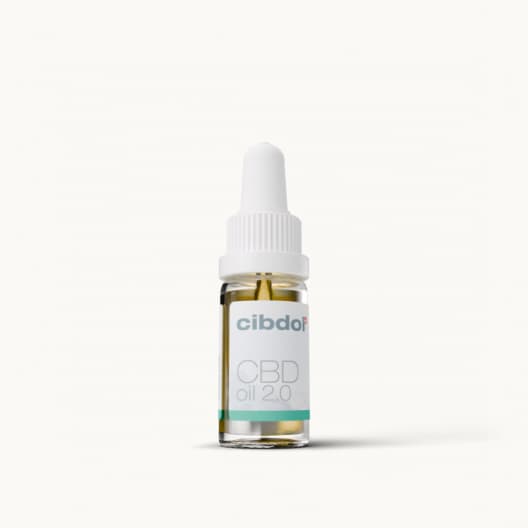
CBD oils
Premium Swiss CBD oils from Cibdol — available in multiple concentrations with full certificates of analysis.
CBD Gummies (25mg)
CBD Gummies — Chill Berry (25mg × 10)
- • 25mg CBD isolate per gummy — strong, precise dose
- • THC-free — CBD isolate, zero psychoactive compounds
- • Vegan formula — pectin-based, no gelatine
CBD capsules
Pre-measured CBD softgels and tablets for precise daily dosing — no taste, no measuring, just consistent CBD.
Disclosure: We may earn a commission if you purchase via these links.
Related articles
CBD for Stress: How It Works and When to Use It
CBD for stress: how it interacts with the stress response, what the research shows, and practical tips for acute and chronic stress.
CBD Bioavailability: Why Format Matters More Than Dose
CBD bioavailability explained: why the format you choose matters more than the mg on the label. Real absorption numbers for each method.
Best CBD Gummies in Europe: Top Picks for 2026
Best CBD gummies in Europe: Cibdol, Nordic Oil, and Zamnesia reviewed on potency, ingredients, value, and taste. Full buying guide.