
Algae Magnesium vs Synthetic Magnesium: Which Form Is Better?
Written by Smart Supplements Editorial Team
Key takeaways
- Algae magnesium from Lithothamnion (marine red algae) contains 72+ trace minerals alongside magnesium — synthetic forms contain only isolated magnesium salts.
- Magnesium oxide has the highest elemental magnesium (60%) but the lowest bioavailability (~4%) — a paradox many consumers don't understand.
- Algae magnesium shows 20-30% bioavailability in studies, comparable to magnesium citrate, with the added benefit of cofactor trace minerals.
- An estimated 50-70% of Europeans don't meet the RDA for magnesium, making it one of the most common nutritional deficiencies.
- The best magnesium form depends on your goal: glycinate for sleep, citrate for general use, algae-derived for whole-food mineral complex.
Table of contents
The Magnesium Deficiency Epidemic
Magnesium is involved in over 300 enzymatic reactions in the human body — more than any other mineral. It is essential for muscle function, nerve transmission, energy production, DNA synthesis, blood pressure regulation, and bone health. And most Europeans are not getting enough.
The Numbers
| Statistic | Detail |
|---|---|
| European adults below RDA | 50–70% (varies by country) |
| RDA for adult men | 350–400 mg/day |
| RDA for adult women | 280–300 mg/day |
| Average European dietary intake | 200–350 mg/day |
| Groups most at risk | Elderly, athletes, stressed individuals, people on PPIs |
Why Deficiency Is So Common
- Soil depletion — intensive agriculture has reduced magnesium content in crops by 20–30% since the 1950s
- Processed food — refining grains removes up to 80% of magnesium
- Stress — cortisol increases renal magnesium excretion; stress literally flushes magnesium from your body
- Medications — proton pump inhibitors (PPIs), diuretics, and some antibiotics deplete magnesium
- Alcohol — increases urinary magnesium loss by up to 260%
Common Deficiency Symptoms
| System | Symptoms |
|---|---|
| Muscular | Cramps, twitches, restless legs, tension |
| Neurological | Anxiety, irritability, insomnia, poor concentration |
| Cardiovascular | Palpitations, elevated blood pressure |
| Metabolic | Fatigue, weakness, reduced exercise capacity |
| Skeletal | Reduced bone density (long-term) |

Why Magnesium Form Matters
Here is the critical concept most consumers miss: elemental magnesium content and bioavailability are inversely related in many forms.
Elemental Magnesium vs Bioavailability
Every magnesium supplement is a compound — magnesium bonded to something else (an oxide, a citrate, an amino acid, etc.). The "something else" determines:
- Elemental magnesium % — how much of the compound's weight is actual magnesium
- Bioavailability — what percentage of that magnesium your body absorbs
These two numbers often work against each other. Magnesium oxide contains 60% elemental magnesium (the highest of any form) but only ~4% of it is absorbed. Magnesium glycinate contains just 14% elemental magnesium but absorption rates reach 60–80%.
The practical impact: 500mg of magnesium oxide delivers ~30mg of elemental magnesium to your body (500 × 0.60 × 0.04). 500mg of magnesium glycinate delivers ~56mg (500 × 0.14 × 0.80). The "weaker" supplement delivers nearly twice the usable magnesium.
Common Magnesium Forms Compared
The Master Comparison Table
| Form | Elemental Mg % | Bioavailability | Best For | Price Tier |
|---|---|---|---|---|
| Oxide | 60% | ~4% | Laxative effect only | Budget |
| Citrate | 16% | 25–30% | General use, gentle laxative | Mid |
| Glycinate | 14% | 60–80% | Sleep, anxiety, relaxation | Mid-premium |
| Threonate | 8% | Moderate (brain-targeted) | Cognitive function, brain Mg | Premium |
| Taurate | 9% | Moderate | Cardiovascular support | Premium |
| Malate | 15% | 20–25% | Energy, muscle recovery | Mid |
| Orotate | 7% | Moderate | Heart health (European tradition) | Premium |
| Chloride | 12% | 20% | Topical (magnesium oil) | Mid |
| Sulfate | 10% | Poor (oral) | Epsom salt baths (topical) | Budget |
| L-threonate | 8% | Brain-targeted | Memory, cognitive decline | Premium |
| Algae (Lithothamnion) | Variable (8–15%) | 20–30% | Whole-food mineral complex | Mid-premium |
What Is Algae Magnesium?
Algae magnesium comes from Lithothamnion — a genus of calcified marine red seaweed (sometimes called "maerl") found in clean Atlantic and Arctic waters. Unlike all other magnesium supplements, which contain a single isolated magnesium salt, Lithothamnion naturally contains magnesium within a matrix of 72+ trace minerals.
How Lithothamnion Works
Lithothamnion is a slow-growing calcareous seaweed that accumulates minerals from seawater over years. Its calcified skeletal structure acts as a natural mineral repository, concentrating magnesium, calcium, and dozens of trace elements from the ocean.
When harvested and processed into a supplement, the result is not pure magnesium — it is a whole-food mineral complex in which magnesium exists alongside its natural cofactors.
Mineral Composition
| Mineral | Presence in Lithothamnion | Role |
|---|---|---|
| Magnesium | Primary (8–15% by weight) | 300+ enzymatic reactions |
| Calcium | Major (30–35% by weight) | Bone health, muscle contraction |
| Boron | Trace | Bone metabolism, Mg utilisation |
| Zinc | Trace | Immune function, enzyme cofactor |
| Selenium | Trace | Antioxidant, thyroid function |
| Manganese | Trace | Bone formation, antioxidant |
| Strontium | Trace | Bone density support |
| Iron | Trace | Oxygen transport |
| 60+ additional trace minerals | Trace | Various cofactor roles |
This whole-food matrix is fundamentally different from taking isolated magnesium citrate or glycinate. You are not getting one mineral — you are getting the mineral environment in which magnesium naturally functions.

The Trace Mineral Advantage
Why Cofactors Matter
Magnesium does not work alone. Many of its enzymatic functions require cofactor minerals:
- Boron enhances magnesium retention and reduces urinary Mg excretion (Nielsen et al. 1987)
- Zinc and magnesium share transport mechanisms — adequate zinc supports Mg absorption
- Selenium works alongside Mg in antioxidant enzyme systems (glutathione peroxidase)
- Manganese is a cofactor in superoxide dismutase (SOD), where it works synergistically with Mg
Rude (2010) in Therapeutic Drug Monitoring noted that isolated mineral supplementation may be suboptimal compared to whole-food mineral sources because trace mineral cofactors enhance the target mineral's enzymatic function.
Synthetic magnesium provides one mineral. Algae magnesium provides the ecosystem in which that mineral naturally operates.
The Aquamin Evidence
Lithothamnion-derived mineral complex is commercialised under the brand name Aquamin and has been the subject of multiple clinical studies:
| Study | Finding |
|---|---|
| Aslam et al. (2010) | Aquamin showed 20–30% magnesium bioavailability — comparable to citrate |
| Frestedt et al. (2009) | Aquamin improved joint flexibility and reduced pain in osteoarthritis patients |
| O'Gorman et al. (2012) | Aquamin mineral complex supported bone mineral density markers |
| Aslam et al. (2013) | Trace minerals from Aquamin enhanced calcium absorption and utilisation |
The bioavailability finding is key: at 20–30%, algae magnesium matches magnesium citrate for absorption while providing 72+ additional trace minerals that citrate does not.
Which Form for Which Goal?
This decision framework helps you choose the right magnesium for your specific needs:
Goal-Based Recommendations
| Goal | Recommended Form | Why |
|---|---|---|
| Sleep and relaxation | Glycinate or L-threonate | Glycine is calming; threonate crosses BBB |
| Muscle cramps | Citrate or algae | Good bioavailability, well-tolerated |
| General daily supplement | Algae or citrate | Broad coverage, reliable absorption |
| Anxiety support | Glycinate | Glycine is an inhibitory neurotransmitter |
| Brain health / memory | L-threonate | Only form proven to raise brain Mg levels |
| Cardiovascular support | Taurate | Taurine supports cardiac muscle function |
| Energy / exercise | Malate | Malic acid supports ATP production |
| Whole-food approach | Algae (Lithothamnion) | Natural mineral matrix with cofactors |
| Budget | Citrate | Best absorption-to-cost ratio |
| Constipation relief | Oxide or citrate | Osmotic laxative effect |
When Algae Magnesium Is the Best Choice
Choose algae magnesium if:
- You prefer whole-food supplements over isolated compounds
- You want trace mineral cofactors alongside your magnesium
- Your goal is general daily mineral support rather than a targeted therapeutic effect
- You take other algae supplements and want a coherent stack (PLNKTN Mg + D3 + Omega-3)
- You value natural marine-derived ingredients over synthetic mineral salts
Choose a synthetic form if:
- You need a specific therapeutic effect (glycinate for sleep, threonate for brain)
- You need high-dose elemental magnesium (citrate delivers more Mg per gram)
- Budget is the primary concern (citrate is cheaper)


Magnesium (algen)
Magnesium supplement for an active lifestyle, derived from marine algae.
- • Supports normal muscle function and energy metabolism
- • Plant-based source, gentle on stomach
- • Designed for active lifestyles and recovery
Disclosure: We may earn a commission if you purchase via these links.
Dosage
General Dosage Guidelines
| Purpose | Elemental Mg/Day | Form Suggestion |
|---|---|---|
| Maintenance | 200–300 mg | Algae, citrate |
| Deficiency correction | 300–400 mg | Citrate, glycinate |
| Sleep support | 200–400 mg (before bed) | Glycinate |
| Exercise recovery | 300–400 mg | Malate, citrate, algae |
| Cardiovascular | 300–400 mg | Taurate |
| Cognitive | 144 mg Mg (from 2g L-threonate) | L-threonate specifically |
Practical Tips
- Start low, increase gradually — magnesium can cause loose stool at higher doses; give your gut 1–2 weeks to adjust
- Take with food — improves tolerance and absorption
- Evening dosing — if using for sleep or relaxation, take 30–60 minutes before bed
- Split doses — absorption is better with 2–3 smaller doses throughout the day than one large dose
- Check elemental Mg — the label should state elemental magnesium per serving, not just total compound weight
Combining Magnesium with Other Algae Supplements
Magnesium has important synergies with other supplements in the PLNKTN range:
Magnesium + Vitamin D3
This is one of the most important supplement synergies. Magnesium is required for vitamin D3 activation. The enzymes that convert vitamin D to its active form (1,25-dihydroxyvitamin D) are magnesium-dependent.
Uwitonze & Razzaque (2018) in The Journal of the American Osteopathic Association demonstrated that magnesium deficiency impairs vitamin D metabolism — meaning you can supplement D3 all day and still not activate it properly if your magnesium is low.
PLNKTN stack: Magnesium + Vitamin D3 = optimal D3 activation.
Magnesium + Omega-3
Both support cardiovascular health through complementary mechanisms:
- Magnesium regulates vascular smooth muscle tone and heart rhythm
- Omega-3 reduces triglycerides, lowers inflammation, and supports endothelial function
PLNKTN stack: Magnesium + Omega-3 = cardiovascular foundation.
The Complete PLNKTN Mineral-Vitamin Stack
| Morning | Evening |
|---|---|
| Omega-3 (with breakfast) | Magnesium (before bed) |
| Vitamin D3 (with breakfast — fat-soluble) | — |
| Astaxanthin (with breakfast — fat-soluble) | — |

Vitamine D3 (algen)
Daily vitamin D3 from algae with omega-3 for optimal absorption. Supports immune system, muscles and bones.
- • Vitamine D3 uit algen, geschikt voor vegetariërs en veganisten
- • Ondersteunt immuunsysteem, spieren en sterk botweefsel
- • Bevat ook 250 mg omega-3 DHA per capsule
Disclosure: We may earn a commission if you purchase via these links.

Frequently Asked Questions
Is algae magnesium better than citrate?
For absorption alone, they are comparable (20–30% bioavailability). Algae magnesium's advantage is the 72+ trace mineral cofactors that support magnesium utilisation. Citrate's advantage is higher elemental magnesium per gram and lower cost. For a whole-food approach with broader mineral support, algae wins. For targeted, high-dose magnesium, citrate may be more practical.
What is the best form of magnesium?
There is no single "best" — it depends on your goal. Glycinate for sleep and anxiety. Citrate for general use and constipation. L-threonate for brain health. Taurate for heart health. Algae-derived for a whole-food mineral complex. Oxide is the one form universally considered suboptimal (4% absorption).
What is marine magnesium?
Marine magnesium typically refers to magnesium derived from seawater or marine organisms — most commonly Lithothamnion marine red algae. It is distinguished from synthetic magnesium salts by its natural mineral matrix containing trace elements from the ocean environment.
Can I take magnesium every day?
Yes. Daily supplementation is standard and recommended, especially given widespread deficiency. Magnesium does not accumulate to toxic levels under normal supplementation (excess is excreted renally). The main side effect of over-supplementation is loose stool — a self-limiting signal to reduce your dose.
Does magnesium help with sleep?
Yes, particularly magnesium glycinate and L-threonate. Magnesium regulates GABA activity (the brain's calming neurotransmitter) and melatonin production. A 2012 study by Abbasi et al. found that 500mg magnesium supplementation improved sleep quality scores, sleep time, and melatonin levels in elderly subjects with insomnia. For sleep specifically, glycinate is the preferred form due to glycine's additional calming properties.
Should I take magnesium and vitamin D together?
Yes — and it is arguably essential. Magnesium is required for vitamin D activation. Taking D3 without adequate magnesium may limit D3's effectiveness. The two supplements are synergistic and are frequently recommended together by clinical nutritionists.
Where to Buy
Affiliate disclosure: Smart Supplements earns a commission on purchases made through partner links. This doesn't affect our editorial content or recommendations.
When choosing magnesium, match the form to your goal. For a whole-food marine mineral complex, algae-derived magnesium from Lithothamnion offers a unique profile that synthetic forms cannot replicate.
For the complete picture of algae supplementation, see our algae supplements beginner's guide and PLNKTN review.
This article is for informational purposes only and is not intended as medical advice. Always consult a healthcare professional before starting any new supplement, especially if you take prescription medication.
Related topics
Where to buy
Affiliate links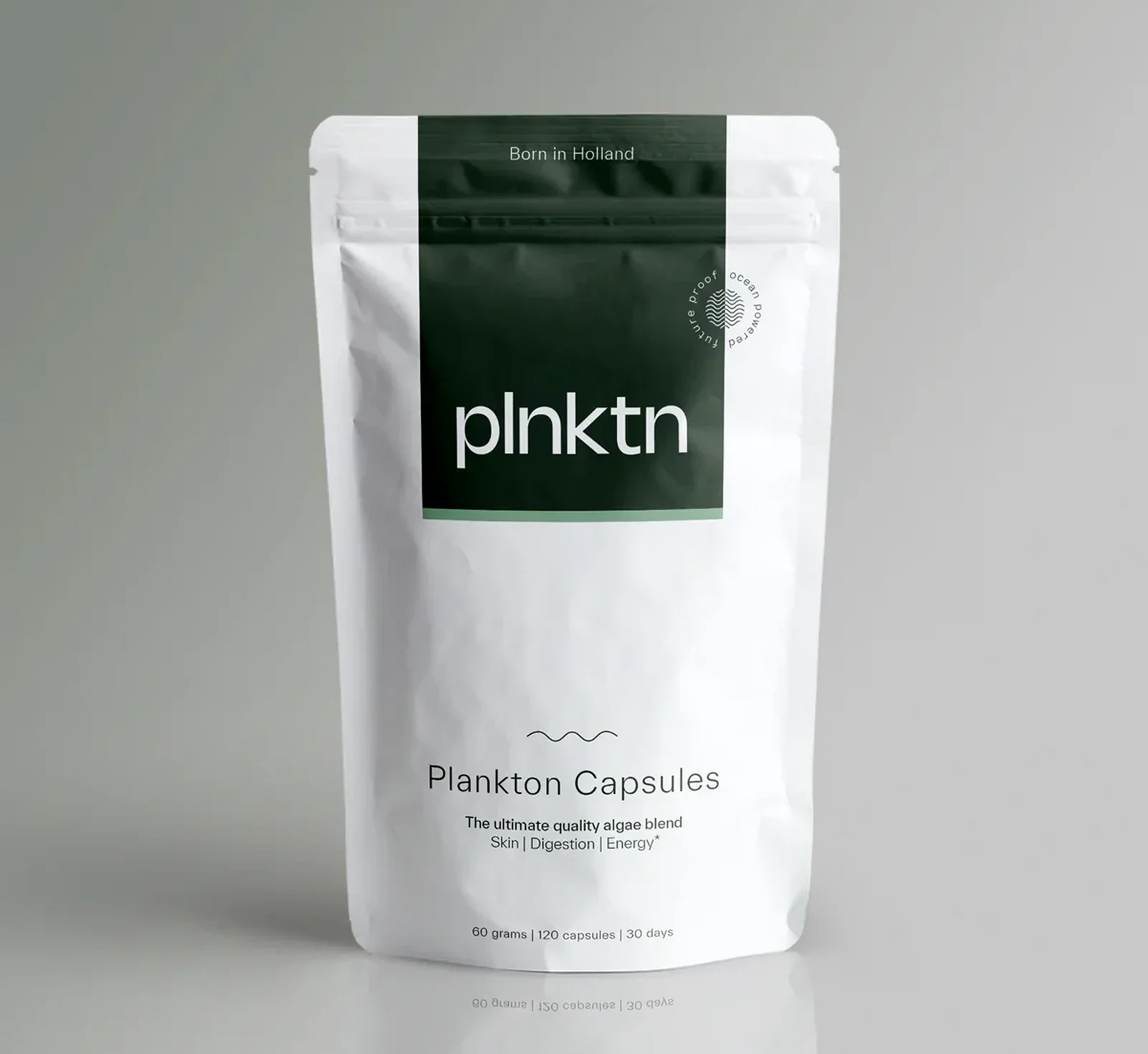
Plankton Capsules
Blend of 4 nutrient-dense micro- and macroalgae from European cultivation. Daily support for gut, skin and energy.
- • 75+ nutrients: minerals, vitamins, pigments, antioxidants and complete proteins
- • 100% natural, plant-based and responsibly grown
- • Supports digestion, energy metabolism and skin health
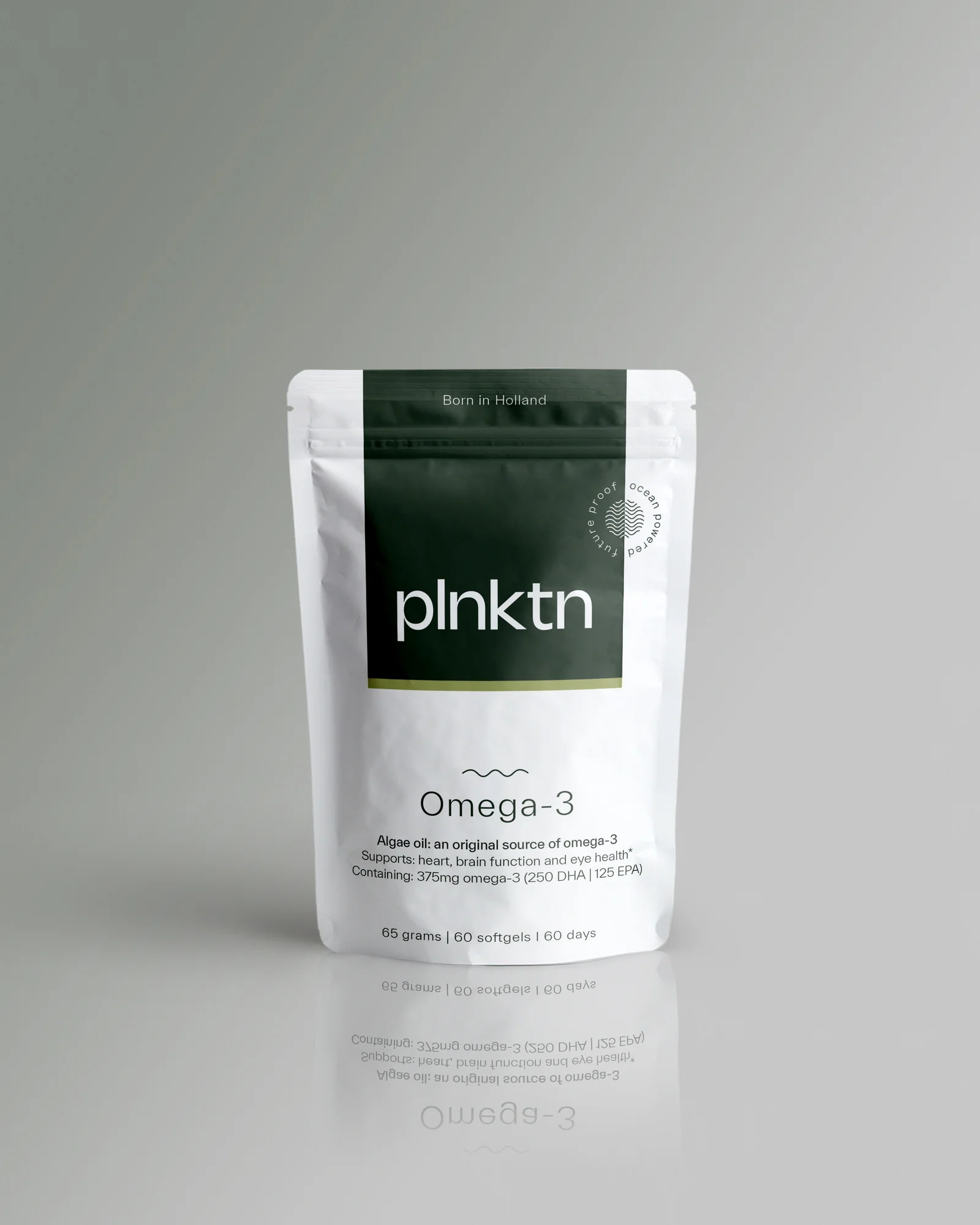
Omega-3 (algenolie)
Daily omega-3 from the original source: algae. With essential EPA and DHA for heart, brain and eyes.
- • 250 mg DHA and 125 mg EPA per capsule
- • 100% fish-free, plant-based algenolie
- • No fishy aftertaste, clean and controlled source
Vitamine D3 (algen)
Daily vitamin D3 from algae with omega-3 for optimal absorption. Supports immune system, muscles and bones.
- • Vitamine D3 uit algen, geschikt voor vegetariërs en veganisten
- • Ondersteunt immuunsysteem, spieren en sterk botweefsel
- • Bevat ook 250 mg omega-3 DHA per capsule
Magnesium (algen)
Magnesium supplement for an active lifestyle, derived from marine algae.
- • Supports normal muscle function and energy metabolism
- • Plant-based source, gentle on stomach
- • Designed for active lifestyles and recovery
Disclosure: We may earn a commission if you purchase via these links.
Related articles
PLNKTN Review: Are Algae-Based Supplements Worth It?
We tested the full PLNKTN range — Omega-3, Astaxanthin, Vitamin D3, Magnesium, Spirulina Nibs, and Plankton Capsules. Here is our honest review of this Dut
Algae Vitamin D3: Why Source Matters More Than You Think
Most vitamin D3 comes from sheep's wool or fish liver. Algae-derived D3 is the only vegan source of true cholecalciferol — and PLNKTN pairs it with omega-3
PLNKTN Omega-3 vs Omega-3 Plus: Which Should You Choose?
PLNKTN offers three algae omega-3 products at three price points. Here is which one fits your needs — and which is the best value per mg of DHA+EPA.