Smartshop plants and botanicals: an overview of the shelf
What do smartshops sell as plants and botanicals, and how do the plants compare?
In short
- The plant shelf is plants, seeds, cacti and extracts that are mostly unrelated to each other; names on labels rarely say which plant or how strong.
- Grouped by reputation, not by proven effect: mood and relaxation herbs, dream herbs, seeds, cacti and one short, strong plant (salvia).
- Forms differ: dried material, powders and capsules, tinctures and numbered extracts, resin, living plants and seeds. A '10x' on a label is the maker's own description, not a standard.
- The evidence is mostly tradition, laboratory and animal work and a few small studies; several controlled studies used the pure compound, not the plant.
- Rules differ by plant and country; a shop shipping a product says nothing about its legal position.
Walk into a smartshop and the plant shelf looks like a spice rack designed by a botanist with a sense of mischief: jars of leaf, packets of seeds, a cactus in a pot, tinctures with a number on the label. Most of it isn't related to anything else on it. This page is the map: what the shelf holds, how the plants group, what forms they come in and how much anyone actually knows about them.
The short version: the shelf is plants, seeds, cacti and their extracts, sold under names that rarely tell you which plant or how strong. For most of them the evidence is tradition, laboratory work and a few small studies. Each plant below has its own guide, and each guide is where the detail lives.
What counts as the plant shelf
Our Plants and botanicals hub describes it as kanna, blue lotus, damiana and the dream herbs, and adds that "each name opens a different corner of the smartshop". That fits. The plants come from South Africa, the Nile, Mexico, the Pacific and South America, and have little in common except the shelf they end up on. For the shop as a whole, what smartshops sell is the wider view. Kratom has a hub of its own, starting with what kratom is, so it isn't covered here.
How the plants group
Grouping by what a plant's reputation says, not by what it has been shown to do, gives five rough shelves:
| Group | Plants | What sets it apart |
|---|---|---|
| Mood and relaxation reputations | Kanna, blue lotus, damiana, kava | The best-known names; reputations are older than the research |
| Dream herbs | African dream root, dream seed, uvuma-omhlophe | Three unrelated plants under one label |
| Seeds | LSA seeds, Syrian rue | Small seeds with chemistry that matters more than the packaging suggests |
| Cacti | San Pedro, peyote | Mescaline-containing plants, with no standard strength |
| A strong, short experience | Salvia divinorum | A different mechanism from the others, and a short experience |
Treat the table as a way to find your way round, not as a ranking.
The forms you meet
The same plant often comes in several forms, and the form changes what the product is. Our guides record these on the shelf:
- Dried plant material. Leaf, petals or seeds. Damiana's usual product is dried leaf, and blue lotus is sold as dried flowers or shredded petals.
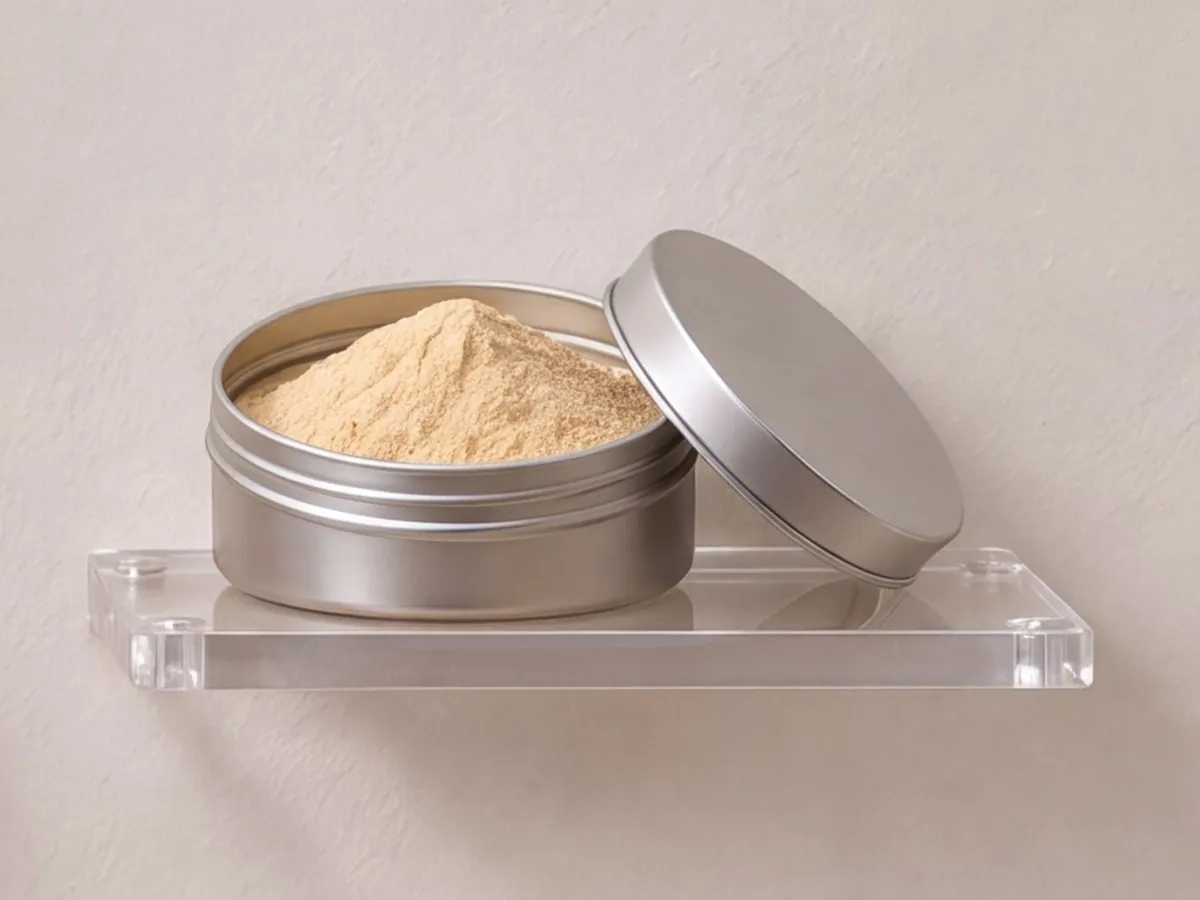
- Powders and capsules. Kanna turns up as powder and shredded plant, and in mixed capsules alongside other ingredients.
- Tinctures and extracts. These carry numbers such as "10x" or "20x". As the kanna guide puts it, a "10x" label on its own doesn't tell you the amount of mesembrine or total alkaloids. These numbers are the manufacturer's own description of concentration, not a shared standard.
- Resin. Blue lotus is also sold as a dark, sticky resin.
- Living plants and seeds. Cacti are sold as living plants, and Hawaiian baby woodrose as seeds.
One more point matters here: a product name isn't a lab result. A 2024 forensic study of US military casework on vaping products found synthetic cannabinoids in most of the seized-drug cases mentioning "blue lotus" or "valerian root", as our blue lotus guide reports.
What kind of evidence exists
Mostly the thin kind. Across the guides on the hub, the same pattern repeats:
- Tradition. Damiana's aphrodisiac and mood reputation is traditional. Kava has been drunk in Pacific ceremonies for more than 2,000 years, according to a 2016 FAO/WHO review, and dream root belongs to a Xhosa healing practice.
- Laboratory and animal work. Damiana's support is limited to animal and laboratory work, and no human trial of damiana alone turned up.
- A few small human studies. Kanna's are small and short, mostly of one branded extract. Kava's anxiety trials disagree with each other.
- Studies of the pure compound, not the plant. The controlled studies of salvia gave volunteers pure salvinorin A, and the mescaline studies gave pure mescaline. The plant itself is a different thing.
- Nothing in people. For blue lotus, the dream herbs and Syrian rue as a psychoactive, we found no controlled human study.
None of that makes these plants uninteresting. It means a good story and a tested effect are two separate things, and a product name tells you about the first.
The plants, one at a time
Kanna (Sceletium tortuosum) is a South African succulent. The plant, the fermented herb and the standardised extracts are different products with different alkaloid mixes. Human research is a handful of small, short trials, and several papers have authors tied to the company behind one extract. Start with kanna: meet the plant behind the extracts. Then kanna extracts explained covers ratios and codes, and the kanna buying guide covers the products.
Blue lotus usually means Nymphaea caerulea, the Egyptian blue water lily, not the sacred lotus. Its gentle reputation rests on tradition and anecdote, and we found no controlled human trial. Blue lotus: what is it, actually? untangles the names, the products and the vape warning.
Damiana (Turnera diffusa) is a shrub from Mexico, Central America and the Caribbean, sold mostly as dried leaf. The research is animal and laboratory work. Our guide suggests that people who use diabetes medicines ask a pharmacist, because animal and cell studies point to blood-sugar lowering. Damiana: beyond the shop description goes through it.
The dream herbs are three unrelated plants: African dream root, the seed of Entada rheedii and uvuma-omhlophe. Only African dream root has the best-documented tradition of dream use, and that is a ritual inside a healing relationship, not a dried root alone. No human study of any of the three turned up. See dream herbs explained.
Kava (Piper methysticum) is a Pacific root traditionally drunk as a cold-water beverage. Anxiety trials disagree, and it has been linked to rare but serious liver injury, which is why several European countries restricted it. Kava: what it is, what the research found and where it's restricted in Europe holds the details.
LSA seeds (Hawaiian baby woodrose and morning glory) can carry lysergic acid amide, a relative of LSD. Seeds from one packet can differ widely, and some hold none. A Dutch RIVM risk assessment of Hawaiian baby woodrose seeds (2019) could not derive a safe level. Read LSA seeds: Hawaiian baby woodrose and morning glory.
Cacti are the other half of the stronger end of the shelf. A handful make mescaline, and the amount in a piece of cactus swings widely from plant to plant. The controlled studies used pure mescaline, not cactus. Psychoactive cacti: San Pedro and peyote explained covers the plants and the law.
Salvia divinorum is a mint-family plant from the Oaxaca highlands, where the Mazatec have used the fresh leaves in healing and divination. Its active compound acts on a different receptor from classic psychedelics. DRUGSinfo says the experience lasts between ten minutes and an hour and that few people find it pleasant. See Salvia divinorum: what the plant is and what the studies found.
Syrian rue (Peganum harmala) seeds are rich in harmine and harmaline, which block the enzyme MAO-A, and that is why the seeds can clash with other substances and some medicines. We found no controlled human study of the seeds as a psychoactive. Syrian rue: seeds, harmala alkaloids and the MAO catch explains it.
Rules: a short, dated pointer
The rules differ by plant and by country, and none of the guides above gives a blanket answer. Three examples from our own checks:
- Kava, Netherlands: Piper methysticum is on the annex to the Warenwetbesluit Kruidenpreparaten, so herbal preparations may not contain it. In force since May 2003; read on 28 November 2026 (wetten.overheid.nl).
- Salvia, Netherlands: not named on the Opium Act lists as of 28 November 2026. DRUGSinfo, read on 28 November 2026, says the RIVM has advised a ban, with no clarity on whether or when that will happen (DRUGSinfo).
- Cacti, international: mescaline is in Schedule I of the 1971 UN Convention on Psychotropic Substances, and the International Narcotics Control Board stated in 2010 that "no plants are currently controlled" under that convention. National laws treat the plants in different ways (checked 28 November 2026).
A shop shipping a product to your country doesn't tell you its legal position there. Delivery, stock and legality are three separate questions. The wider picture is in our guide to smartshop products and the rules in Europe.
Where to go from here
Pick the plant that caught your eye and read its guide first. If it's kanna, the buying guide comes after.
This article is for informational purposes only and is not intended as medical advice. Always consult a healthcare professional before starting any new supplement, especially if you take prescription medication.
Sources
The 2 outside pages this article links to, in the order it first cites them.
- wetten.overheid.nl wetten.overheid.nl
- DRUGSinfo drugsinfo.nl
Where to buy
Where can I buy kanna in Europe, and how do the kanna products on sale differ?
Buying guideKanna buying guide: extracts, powders and where to buy
Read the buying guide All buying guides and brandsMore on plants & botanicals
- Kanna: meet the plant behind the extractsWhat is the plant, why do the products differ, and what did small studies find?
- Smartshop plants legal status in Europe by countryWhat is the legal status of kanna, blue lotus, kava, salvia, LSA seeds, San Pedro, peyote, Syrian rue and damiana in European countries?
- Smartshop Plants Compared: Kanna, Blue Lotus, Kava, Damiana and the RestHow do the plants sold in smartshops (kanna, blue lotus, kava, damiana and others) compare?
- Blue lotus: what is it, actually?Which flower is it, what do lab analyses find, and what does the safety picture look like?